1934 Empire Games

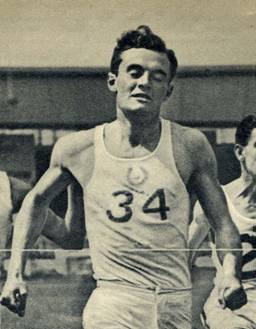
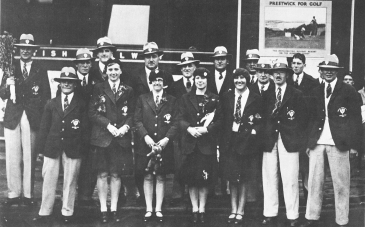
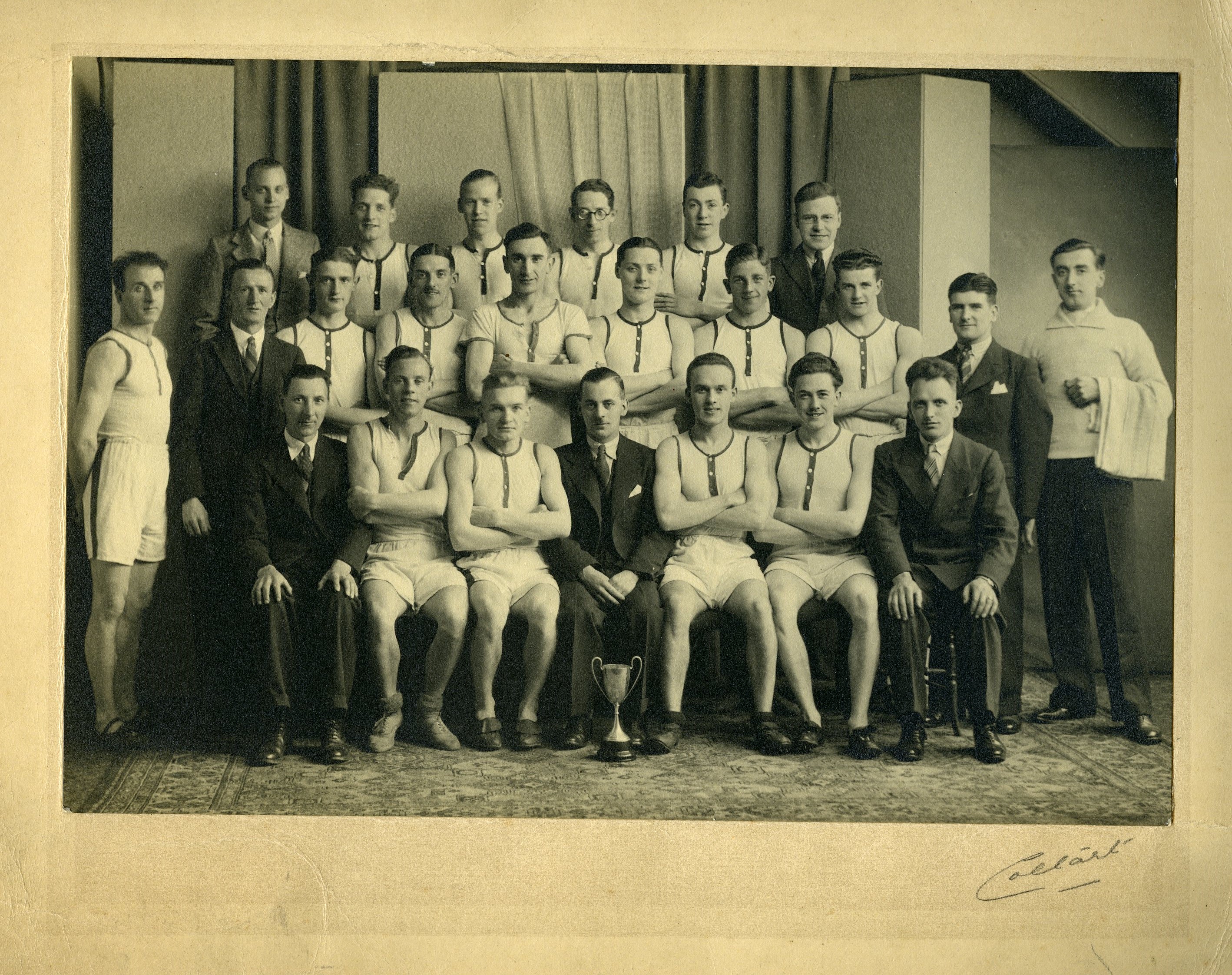
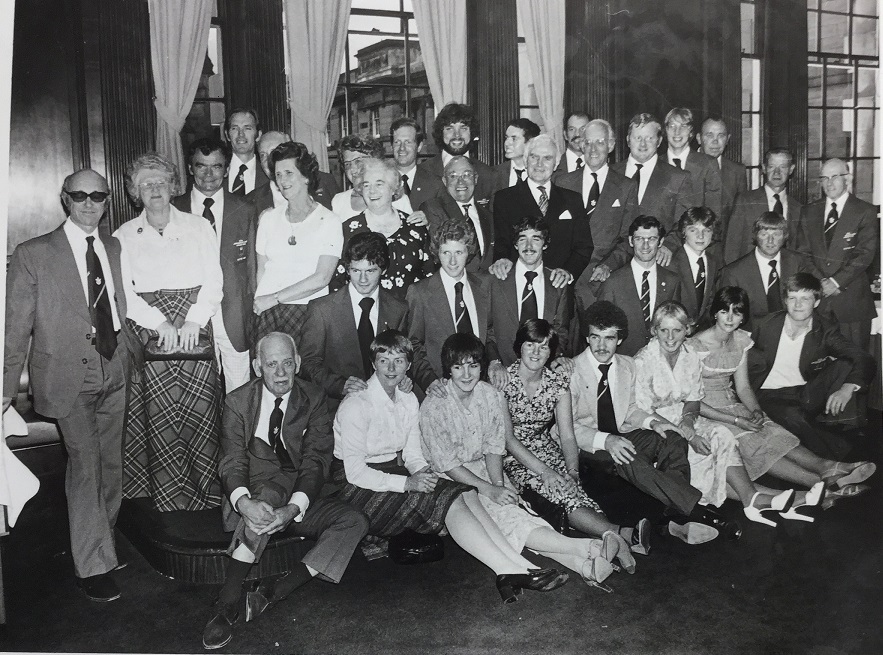
Scottish Empire Games team, 1934

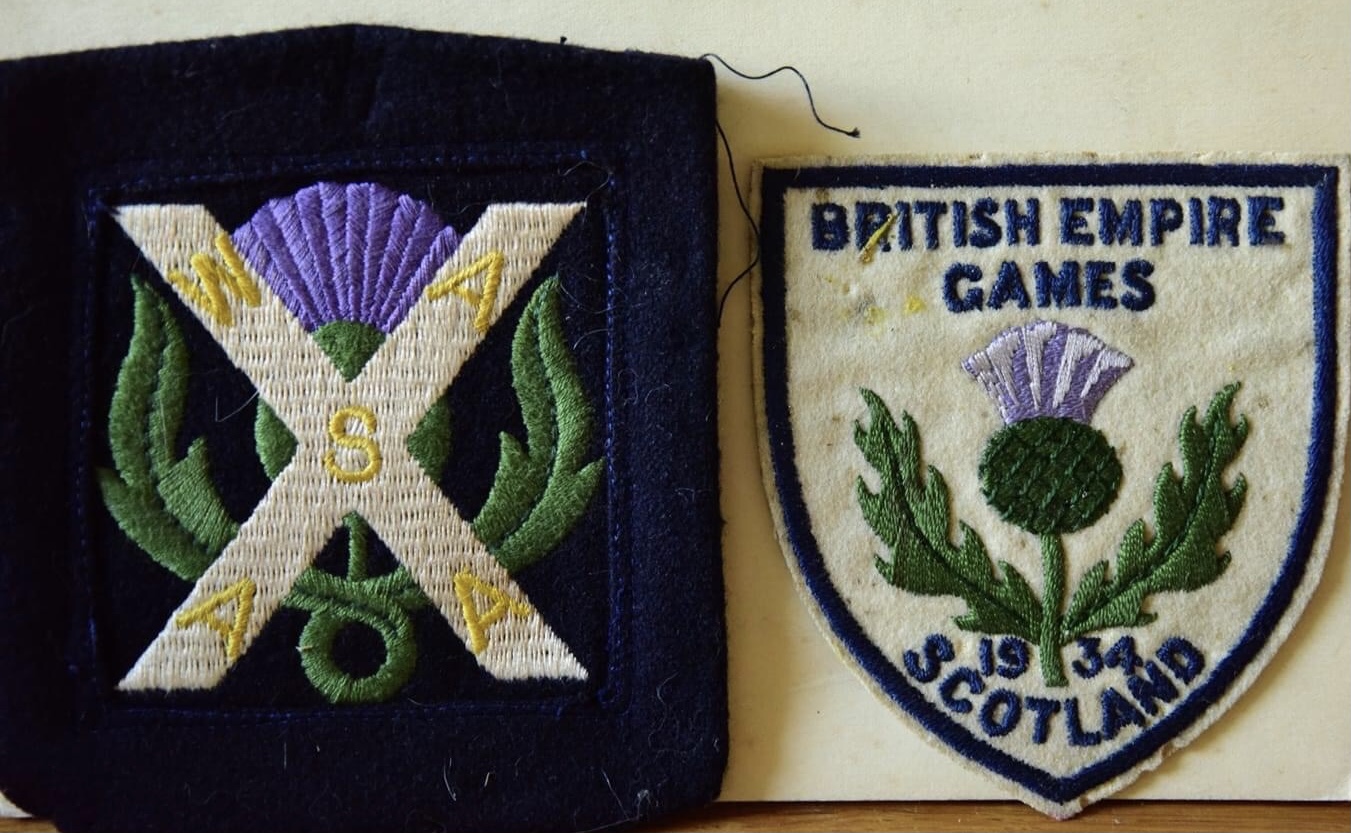
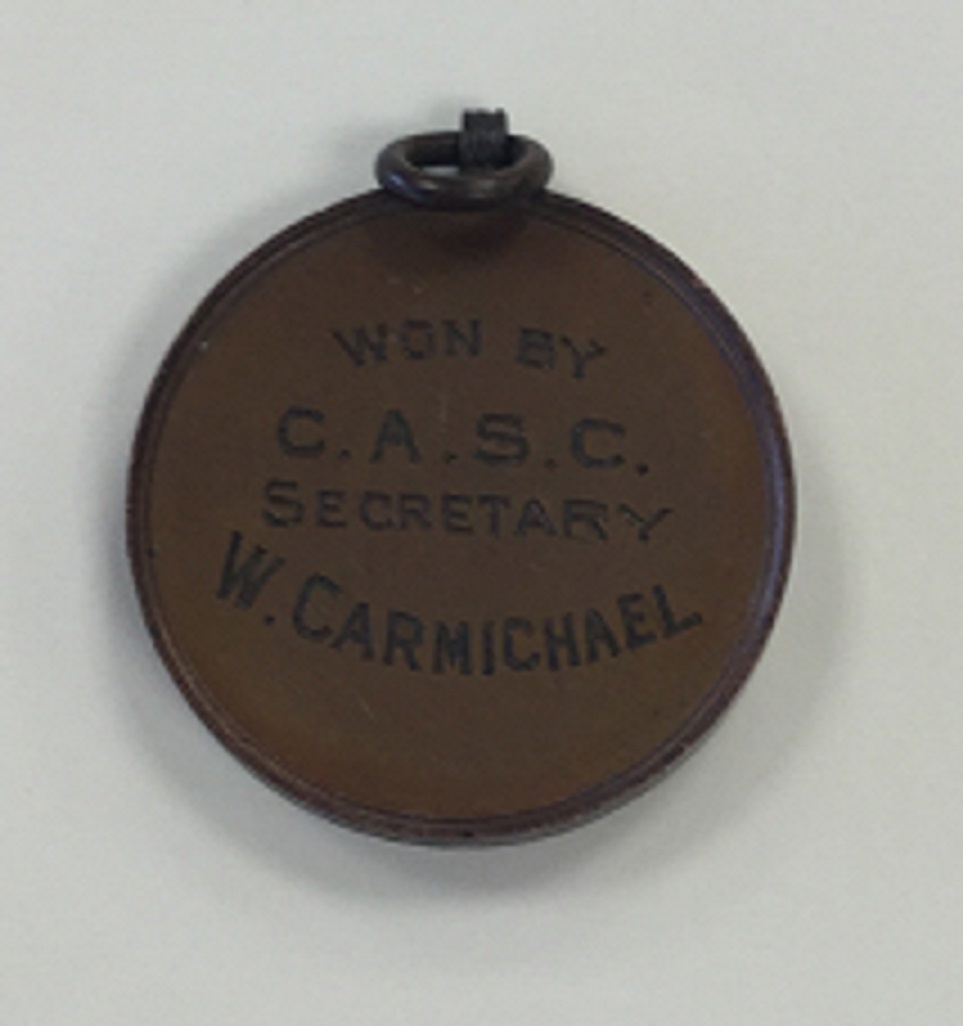
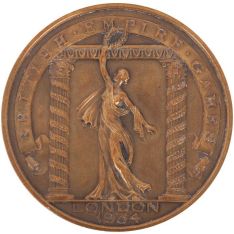
1934 medal

1934 Empire Games Participation Medal

The 1934 British Empire Games were the second of what is now known as the Commonwealth Games.    They were held in England from 4–11 August 1934:  London’s Wembley Park was the main arena, although the track cycling events were in Manchester.    Seventeen national teams took part, including the Irish Free State (the only Games in which they participated, although at the earlier 1930 Empire Games a single team representing the whole of Ireland competed).   London seems to have obtained several Games for reasons other than the straightforward allocation.   This was one of the times: the 1934 Games had originally been awarded to Johannesburg in South Africa, but were changed to London because of concerns (particularly from Canada) about the way South Africa would treat black and Asian athletes.

Six sports were featured in the Games: athletics in the White City Stadium; boxing, wrestling, and aquatics (swimming and diving) in the Empire Pool and Arena, Wembley; cycling in Fallowfield Stadium, Manchester; and lawn bowls at Paddington and Temple. Women’s events in athletics were held; in the inaugural Games, the women’s events were found only in swimming.   There were twenty one events for men and nine for women.

Although several Scots had competed in Canada in 1930, there was no formal team management and 1934 is regarded as the first year in which a Scottish team was forward.

hamish-stothard

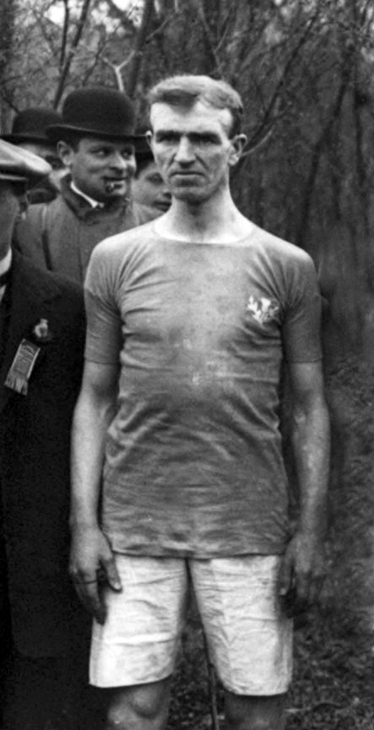
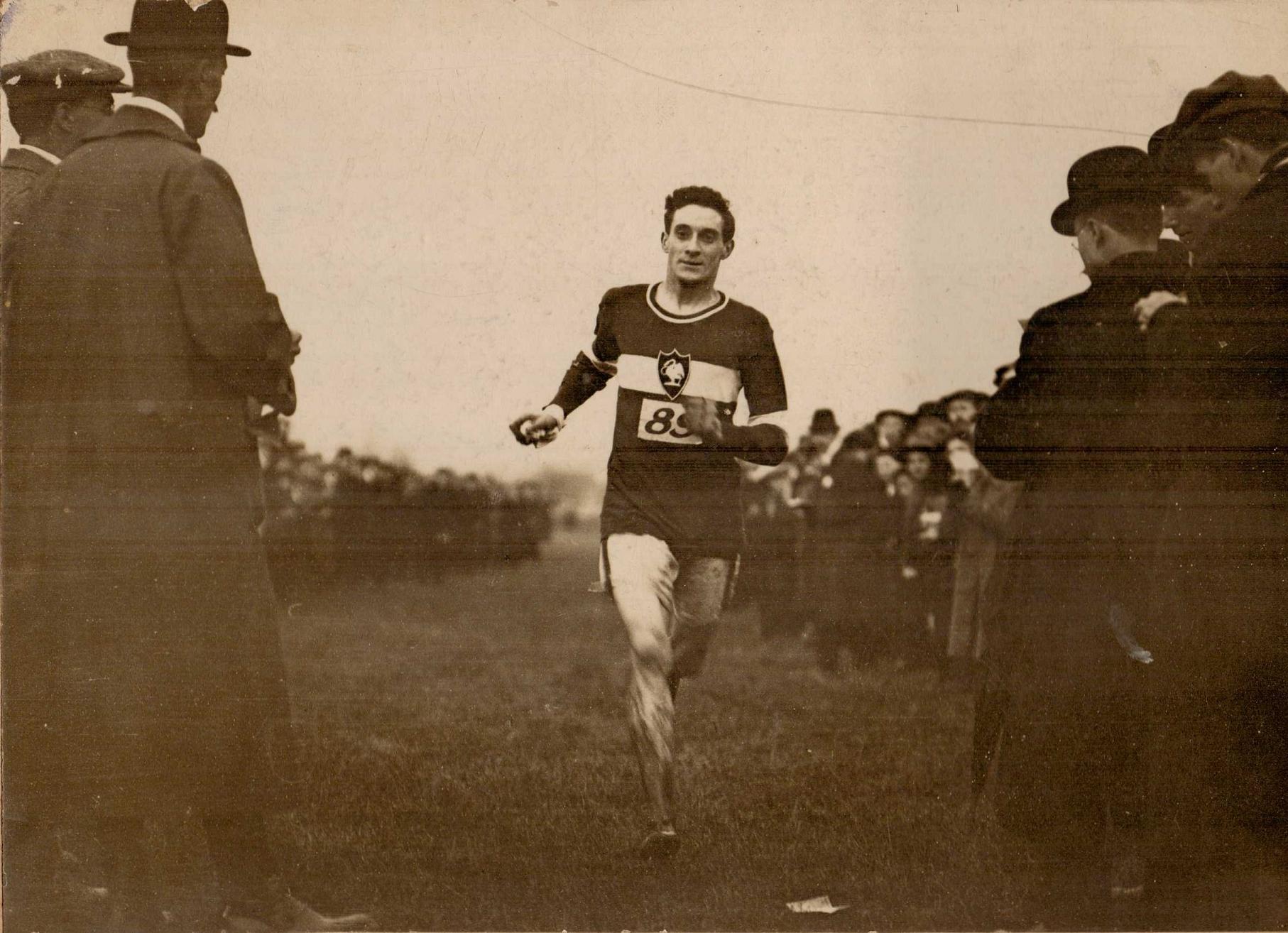
Hamish Stothard

The Scots athletes and their performances were as follows, Track events first:

100 yards men: Ian Young 3rd, 10.1 sec; David Brownlee 3rd Ht 2;  Archie Turner 4th Ht 4

100 yards women: Joan Cunningham, 4th Ht 2;   Margaret McKenzie 5th Ht 2; Cathie Jackson, 5th Ht 1; Barbara Barnetson 5th Ht 3

220 yards men: Robin Murdoch 4th (22.8 Ht); Ian Young 5th (22.9 Ht); David Brownlee 5th Ht 2; Archie Turner ran, no details.

220 yards women: Sheena Dobbie 4th Ht 3; Cathie Jackson 5th Ht 1;  Margaret McKenzie 5th Ht 2; Barbara Barnetson 5th Ht 3.

440 yards men:   Frank Ritchie Hunter 6th (51.1 Hts); Robert Burns Wylde ran Ht 3; Robert H Wallace 5th semi final (50.9 Ht)

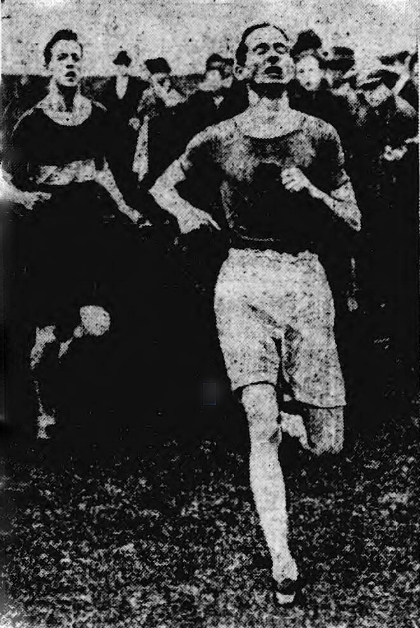
880 yards men:  James Hamish Stothard 3rd  1:55;  Robert Graham  5th Ht 2;

880 yards women:   Mildred Storrar 7th.

Mile men:   Robert Graham 5th;  John Pratt Laidlaw ran Ht 2.

Two Miles Steeplechase:  Walter Gunn 6th

Three Miles:  John Pratt Laidlaw  7th; James MB Caie 9th.

Six Miles:  No Scots

Marathon:  Donald Robertson 2nd 2:45:08 ; Duncan Wright 3rd 2:56:20

80 m hurdles women: No Scots

120 yards hurdles men: No Scots

440 yards hurdles men:   Frank Ritchie Hunter  1st 56.2 seconds

4 x 110 yards relay men:  3rd (Turner, Brownlee, Young and Murdoch) 43.0

4 x 440 yards relay men: 3rd (Hunter, Stothard, Wallace and Wylde) 

4 x 440 yards relay women:  dnf  (Barnetson, Jackson, Dobbie)

Field Events

Shot Putt Men: No Scots             Discus Men:  No Scots

Hammer Throw: William McKenzie  3rd 139′ 5″

Javelin Throw Men:  No Scots   Javelin Throw women: No Scots

High Jump Men:  James Fraser Michie 3rd 6’3″ (First three men all stopped at 6’3″).

High Jump Women:  No Scots

Long Jump Men:  Robert Nelson McQueen Robertson unplaced

Long Jump women: No Scots

Pole Vault Men: Patrick Bruce Bine Ogilvie 6th  11’6″

Triple Jump Men: No Scots

Below: Mildred Storrar’s Track Suit Badsges, courtesy Janet Hardy, as is the photograph at the top of the page

1938 Empire Games

1938_British_Empire_Games

The 1938 British Empre Games were held in Sydney, New South Wales in Australia from 5–12 February 1938.   They were timed to coincide with the celebrations of the foundation of British settlement in Australia exactly 150 years before. Venues included the Sydney Cricket Ground (the main stadium), the Sydney Sports Ground, the North Sydney Olyumpic Pool and Henson Park. An estimated 40,000 people attended the opening ceremony.   Continuing the tradition of the athletes village established in Canada eight years earlier, a competitors’ residential village was established within the grounds of the Sydney Showground.   Due to the onset of the Second World War, the games were not held again until 1950.

Ten countries took part – Australia, Bermuda, British Guiana, Canada, Ceylon, England, Fiji, India,  New Zealand, Northern Ireland,  Scotland, South Africa, Southern Rhodesia, Trinidad and Tobago, Wales.   The countries in bold are those that won any medals at all with the top nations being Australia (66), England (44) and Canada (40) while Scotland was eighth with just five medals – two silver and one bronze.   In athletics there was one solitary silver – won by David Young in the Discus Throw with a best 43.04 metres – 1.71m behind the winner.

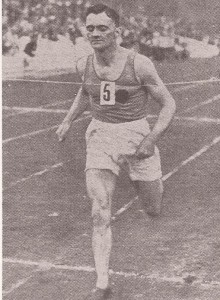
It was the smallest ever Scotland squad up to that point – there was one sprinter, two distance runners and one field events competitors.   The sprinter was Margaret Marie McDowell from Ardeer (SWAAA 100 yards champion in 1937 and again in 1939 + 220 yards champion in 1937, ’38 and ’39) who fourth in Heat three of the 100 yards, and fifth in the second semi-final of the 220 yards.   The middle distance runner was Bobby Graham who was 5th in the second heat of the half-mile and so did not qualify for the final, and then he did not finish in the final of the Mile after recording 4:18.8 in his Heat.   He did not start in the Three Miles where he was entered.   The long distance runner was the wonderful Donald McNab Robertson (second in the 1934 Games marathon) who was fourth in the marathon in 2:42:40.   The Glasgow policeman David Young  was the only field events athlete to represent Scotland and he was the most successful of the four there – second in the discus salvaged some pride with a silver medal although even he did not compete in all that he had been entered for – he was a ‘dns’ in the shot putt.   He was SAAA Discus champion in 1937 and 1938 and then again after the War in 1946 and 1947).

Robertson and Young were both in action on the second day of competition – Monday, 7th February and their events were written up as follows by the ‘Glasgow Herald’.

“D McNab Robertson (Maryhill Harriers) who carried Scotland’s hopes in the marathon, an arduous 26 miles test, could only finish fourth to JL Coleman (South Africa) who won in the really fin time of 2 hours 30 min 49 8-10th sec.   There is no official world record for this race, but Coleman’s time was within a minute and a half of K Son’s (Japan) Olympic record time. A Norris, the Polytechnic marathon winner, ran a splendid race to finish second and will win a great deal of satisfaction from the race in beating his old rival Robertson.Norris has also the satisfaction that even had he run as well as he has ever done in his life he would still have been several minutes behind Coleman’s time.    

Robertson’s performance however – his time was 2 hr 42 min 40 sec – was particularly praiseworthy as he had been suffering from a poisoned finger, which he had lanced on Sunday, and also found the extremely hot sun which streamed down throughout the race particularly exhausting.   The heat was however particularly relished by the South African runners, Coleman and HA Gibson who took third place.

However Scotland gained some consolation in the discus event.  David Young, Scotland’s champion discus thrower, took second place in this event.   His best throw of 141 ft 1 3/4 in was 4 ft 1 1/2 in better than the previous record set up at the 1934 Games by H Hart of South Africa.   A new record however was made by the winner, Eric Coy the Canadian thrower with 146 fet 10 1/2 in.   Hart’s record was beaten by both men with their qualifying throws.   Young was followed by G Sutherland (Canada) who took third place with 136 ft 01/2 in.

Young could have done a lot better yesterday for he had already thrown a distance of 146 ft 1 in in Australian competition.”

Reporting in the ‘Herald’ of 11th February on the Mile it was noted that there were three Britons in the Final – JWL Alford (Wales), R Graham Scotland) and RW Eales (England) before the actual report which read:

“Graham was content to take second place in his Mile heat.   Unextended he came in second to the Welsh One Mile champion, Alford.   After a slow start, Graham, whose best Mile time is 4 min 12 sec, or 0.8 sec quicker than the Games record set by J Lovelock in 1934, quickly took the lead.   He was followed by F Barry-Brown, the Australian, with Alford lying third.   At the half-way Graham was still striding away effortlessly in the lead.   The order was unchanged except that Allen had dropped to sixth.   Now Alford overtook Barry-Brown without difficulty and lay a close second to the Scottish champion.   With a quarter of a mile to go the Welshman speeded up but Graham did not respond to the challenge.   He was content to qualify.   Alford passed him at the beginning of the straightand went on to win by 10 yards in 4 min 17 3-10th sec.   Graham was four yards ahead of Pullen who took third place.

Graham’s chief opposition in the Final will come from the leaders in the second heat – Gerald Backhouse the Australian Olympic runner, and VP Boot, the young New Zealander who set up a new record for the half-mile on Monday.”

None of the  British women qualified for the Final of the 220 yards.   McDowell qualified from he heat for the semi-final: “Miss McDowell had taken third place in her first round heat to qualify for the semi-final.   The Scottish champion ran a good race in this first round heat.   She was drawn on the worst track but qualified easily, being able to slow up considerably towards the finish.   The heat was won by Miss J Coleman of Australia in 25.3 sec, beating the Australian record by .2 sec.   The Scottish girl was content to take the last qualifying place without exerting herself.   In her semi-final heat, Miss McDowell was opposed by Miss M Meagher (Canada) who had won her qualifying heat, Miss Coleman, Miss Wearne (Australia) who had taken second place to Miss Meagher and Miss Susan Stokes, the London girl.   Miss Meagher won in 25 1-10th sec with Mis Coleman, half a yardbehind, second.   Miss McDowell was last.”

 The Mile final was on the last day and the report merely said that Graham disappointed.   After setting a fast pace he lagged behind and did not finish.   There was no word about whether he had been injured, ill or otherwise disadvantaged by fate.

Bob Graham

Bobby Graham

J Astley Cooper

John Astley Cooper was born in Adelaide in 1858 but lived all of his adult life in England where he died in 1930.   He is listed in the Oxford Index as ‘a propagandist for athleticism’ and it is this role that affects the appearance of the British Empire Games.

CG Poster 1  In 1891, John Astley Cooper proposed the establishment of a periodic festival to celebrate the industrial, cultural, and athletic prowess of the Anglo-Saxon race.   He publicised his idea of a sporting event that would include the British Empire and include the United States wherever he could.  Notably he wrote letters and articles in ‘Greater Britain’ of July 1891, a letter to The Times in October of the same year, and articles in ‘Nineteenth Century’ in September 1892 and July 1893, suggesting a Pan Brittanic, Pan Anglican Contest every four years as a means of increasing goodwill and understan’ding of the British Empire.   The scheme was one of many designed to strengthen links within the Empire, but its uniqueness lay in the fact that although he saw it as having three aspects – industrial, cultural and sporting – the athletic portion soon overshadowed the other two aspects, and Cooper’s Pan-Britannic Festival concept was the first detailed plan of a multi-sport gathering for the Empire to appear in print.

When Baron Pierre de Coubertin was working up the concept of the Olympic Games, he asked for ideas and comments from many people and in England he visited Much Wenlock and discussed their version of the Olympics, and also visited and spoke with Cooper.   But where Cooper’s Games were ethnic in nature and had the aim of strengthening and celebrating the Empire, de Coubertin’s Games were much wider in concept.

In 1911, the Festival of the Empire was held at The Crystal Palace in London to celebrate the coronation of George V. As part of the Festival of the Empire, an Inter-Empire Championships was held in which teams from Australasia, Canada, South Africa, and the United Kingdom competed in athletics, boxing, wrestling and swimming events.   Cooper’s ideas were known throughout the Empire and this was especially the case with Australia where Richard Coombes in particular advanced the cause.   Coombes had been born and educated in England and moved to Australia in 1886.   He was heavily involved in athletics, helping to found the New South Wales AAA.   He wrote many articles supporting the notion of a Pan Britannic Festival under several different pen-names and his version included rowing, running and cricket.   Katherine Moore of Queeen’s University, Belfast, in a paper entitled ‘One Voice in the Wilderness: Richard Coombes and the Promotion of Pan-Britannic Festival Concept in Australia, 1891-1911′ sad of Cooper’s letter to ‘The Times’ in 1891: 

The Times published a letter in which Cooper sought to present his concept in a more precise form. The industrial and culture sections of the proposal were outlined in some detail, but this article will concentrate on the sporting suggestions. The future relationship of the various portions of the Empire, wrote Cooper, rested chiefly in the hands of the young men of the Empire, including young England, young Australia, young South Africa, and young Canada, and an Imperial athletic contest would be very attractive to most Englishmen whether settled in the United Kingdom or resident  beyond the seas.  This certainly proved to be true in the case of Richard Coombes. The proposed athletic contests initially included rowing, running, and cricket, that great Imperial link. The argument for Cooper’s Pan-Britannic Festival was strengthened by his perceptive comment that the cultural, industrial and athletic links already were in existence, and he was merely identifying some funding schemes whereby those ties could be made firmer by coming together periodically for a celebration of Imperial achievements”

Moore’s paper is easily found on the internet and anyone with interest in the genesis of the Commonwealth Games should maybe read it.

Bobby Robinson of Canada took up the cause fter the 1930 Olympic Games where he was incensed by the behaviour of the Americans and Germans and is the one generally credited with starting up the British Empire Games.   When the announcement of these Games was made, Astley Cooper claimed much of the credit but his aim had been ‘to show through a Festival of sport and culture that Anglo-Saxons ruled the world.   Americans would have been invited, there would have been cricket matches, and an Imperial Holiday.’  [The quote is from Brian Oliver’s book on ‘The Commonwealth Games’ , 2014]

Oliver continues: “Robimson, three years old when Cooper wrote his letter to ‘The Times’ to set out his plans, would have been intrigued by a report in ‘The Observer’ in 1929 looking ahead to the Games in Hamilton.   ‘Mr James Astley Cooper is known in diferent parts of the Empire as the pioneer of this project,” wrote the correspondent after interviewing Astley Cooper, then in his seventies.   Astley Cooper then said “I am satisfied with indirect results, as far as they have been obtained.   Though my scheme did not attain in fulfilment … as I planned, I have done some spade work for the idea of the Imperial Games for the British peoples.  He made no mention of Canada or Bobby Robinson.

British newspaper readers were left in no doubt after the Games, Canada had ‘cut herself loose from the American orbit, and given a lead to the Empire that should inspire British sportsmen all around the globe.’.   Harold Abrahams, the British sprinter who won Olympic gold in 1924 before becoming one of the most influential voices in athletics in the first half of the twentieth century put the record straight.   “But for the unbounded enthusiasm and persistency of Mr Robinson”, he wrote, “the whole thing would never have started.”

Despite all the articles and discussions, Astley Cooper did not live to see his dream fulfilled – he died six months before the inaugural British Empire Games were held in Canada in 1930.

1930 Empire Games Events

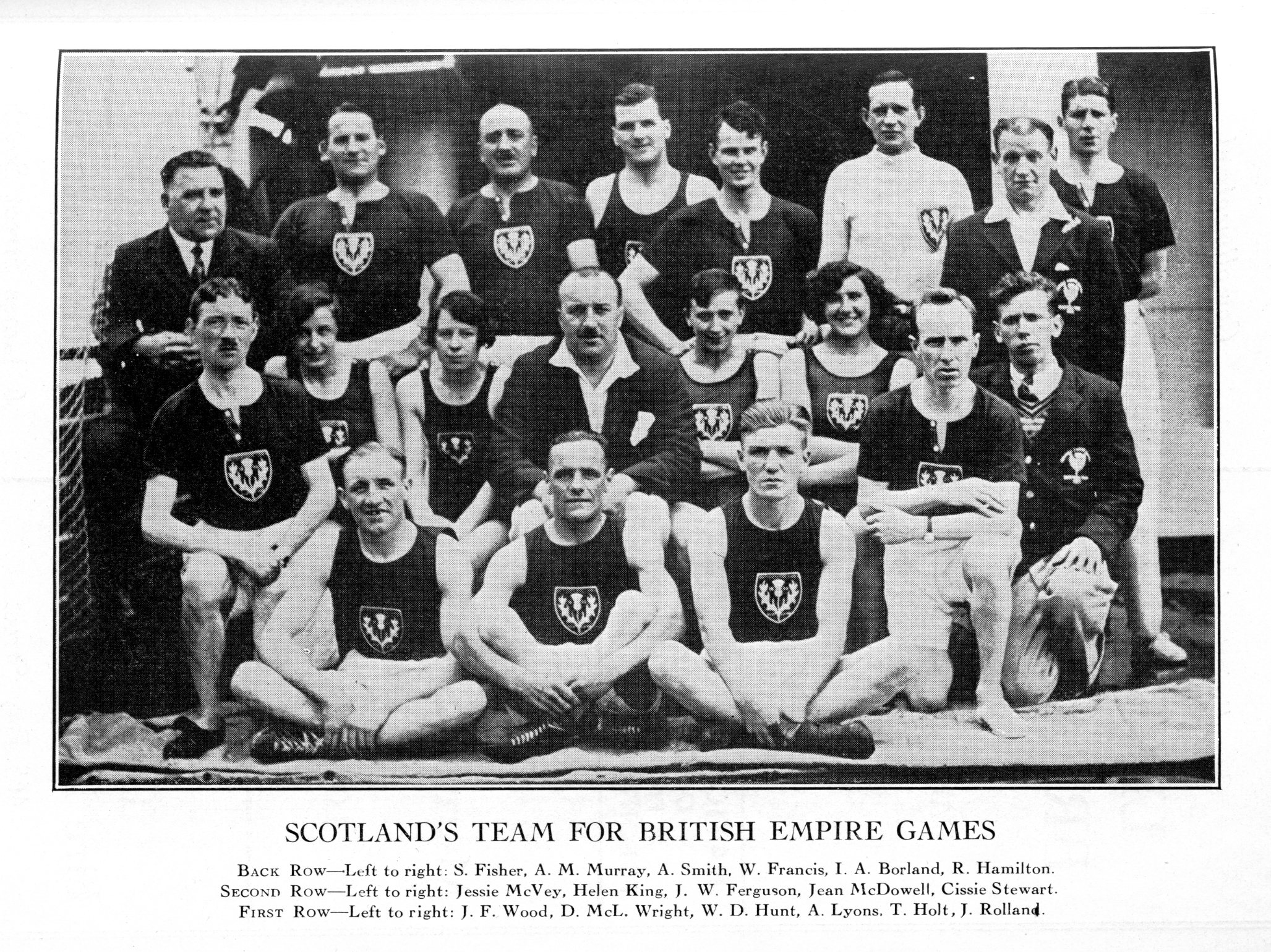
CG 30 team

The above picture, taken on the boat across the Atlantic, has a caption that is a bit misleading: eg JF Wood is kneeling on the left, and Dunky Wright is kneeling on the right of the front row.   The very first Commonwealth Games squad to represent Scotland.  Ten other countries took part: England, Canada, South Africa, New Zealand, Australia, Scotland, Wales, British Guiana and Ireland.   Teams are listed here in order of the number of medals won.  The Scottish medal tally was three golds, three silvers and five bronze.   This was across all sports.   The sports covered were Aquatics (Swiming and diving), Athletics, Boxing, Lawn Bowls, Rowing and Wrestling.  While the Olympic Games used metric distances, the British Empire used (what else?) Imperial Measure Distances.

The new competition needed a mission statement and this is what they came up with:

It will be designed on the Olympic model, both in general construction and its stern definition of the amateur. But the Games will be very different, free from the excessive stimulus and the babel of the international stadium. They should be merrier and less stern, and will substitute the stimulus of novel adventure for the pressure of international rivalry.

The opening of the Games was reported by Jamie Bradburn in The Torontoist as follows:

“Around 17,000 people attended the opening ceremony at Civic Stadium on August 16, 1930. Eleven teams paraded in, stretching from British Guiana (now Guyana) to New Zealand, with the Canadians decked out in dark red blazers, green ties, and white pants. Prime Minister R.B. Bennett relayed greetings from the King and other British dignitaries who couldn’t attend. Hamilton mayor John Peebles was peeved that no city officials were allowed to speak.

At 2:30 p.m., Governor-General Viscount Willingdon officially declared the games open, observing that “the greatness of the Empire is owing to the fact that every citizen has inborn in him the love of games and sports.” A Torontonian won the first medal of the games a few hours later. George “Spike” Smallacombe, who was based out of the West End YMCA, won gold for a 48.5 foot leap in triple jump.”

In the 100 yards, Canadian Percy Williams was first in 9.9 seconds while his team mate Fitzpatrick was third; they were split by an Englishman EL Page.  Roy Hamilton of Scotland was fourth in Heat two and did not qualify for the final, while team mate Ian Borland did not start.    Up a distance, in the 220 yards, the order was England (Englehart), Canada (Fitzpatrick), and South Africa (Walters) with Borland in heat three out of qualifying.   The quarter-mile Borland, third in the first heat, failed to get beyong the single race.   In the half-mile Tom Riddell failed to qualify and in the Mile, there was only Robert Sutherland who finished sixth.   Sutherland ran better in the Three Miles, finishing fourth and missing bronce by two fifths of a second.   Distance men are made of stern stuff and Sutherland was also fifth in the Six Miles, one place behind JF Wood for Scotland.   There were no Scots in the steeplechase, but Dunky Wright ended the medals drought when he won the marathon by over half a mile from England’s Sam Ferris.   There were no Scots in either of the hurdles races, nor were there teams in either of the relays.   In the field events, there were no representatives in the shot, discus or javelin but in the hammer Alexander Smith missed bronze by 6 inches and Archibald Murray was fifth, 5 feet further back.   There were no Scotsmen in any of the four jumps events.   The traditional Scottish strengths – distance running and hammer throwing with some sprinting – were to be seen in this, the very first Games.

Hamilton 1930


1930 Empire Games

Bobby Robinson

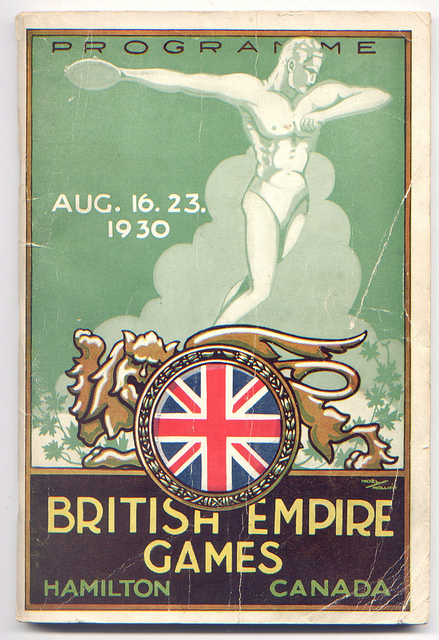
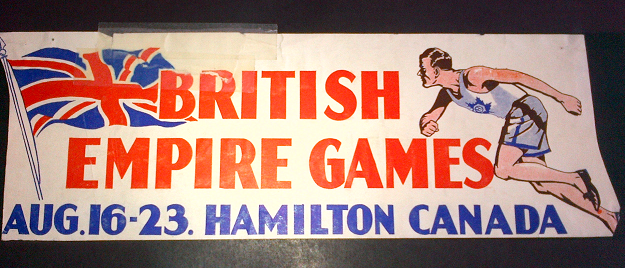
The first British Empire Games were held in Hamilton, Ontario in Canada between 16th and 23rd August in 1930 with a total of 400 competitors.    They were a great success and many of their innovations were adopted by the Olympic movement which watched this new competition with interest.   eg there hd never been a podium for the awards to be presented while the flag was unfurled for the winner.   The Olympics had the flags, but no podium and they first used a podium in 1932.   Where did the British Empire Games come from?   What were their origins?   My main source for what follows in “the Commonwealth Games” by Brian Oliver, although other sources have also been consulted.

Bobby Robinson, above, was born in Peterborough, Ontario in 1888 and was an important figure in the newspaper business and a well connected businessman.   He was known as a dynamic and aggressive campaigner who in 1929 first set out his plans for the Games.   He and a fellow businessman, Howard Crocker,  had been discussing ways to get their athletes more and better competition and Crocker had mentioned the Festival of Empire held in London in 1911 for King George V’s coronation; he also mentioned the ‘Pan Britannic Festival of Culture and Sport’  dreamt up by J Astley Cooper in the early 1890’s.    Robinson liked what he had heard and is said to have begun planning from then for the Empire Games.

He was further spurred on by the perceived treatment of Canadian athletes at the 1928 Olympics in Amsterdam.   Mainly by the Americans and Germans.    When Percy He was interviewed by the Toronto Star writer Lou Marsh who reported that “as a result of the dominance, real or imagined, by Germany and America at the Olympic meet, … Robinson finally boiled over and, after consultation with other Canadian officials, met representatives of the other British teams.”   Among his complaints were the Williams incident mentioned above, the fact that the Americans were allowed to train on the Olympic track while the Canadians were not, a disputed verdict in the women’s 100m which was given to the Americans when Canadians thought it should go the other way, and a direct insult by Avery Brundage of America to a Canadian official.   These comments of course only added fuel to the fire of rivalry between the two nations, and , maybe unfortunately, the official correspondence preceding the Hamilton meeting has been lost.

However, in January 1929, Robinson asked the Hamilton city fathers for $25,000 to run the Games and a further $150,000 to build the stadium and other facilities.   Other countries came on board, not without difficulty and the main supporters of Australia, England and New Zealand all stated their intention to be present.   In the event, there were 11 nations present.

 The sports included athletics, boxing, lawn bowls, rowing, swimming, and wrestling. The opening ceremonies and many events were held at the Civic stadium  in east Hamilton.   The games were opened by the Governor General of Canada, Lord Willingdon on the 16 August.   As at the Olympic Games, the competitors all marched in behind their national flag but the whole parade was led in by the Union Jack as an indication that they were all part of the British Empire.   the oath taken by Percy Williams, on the flag, on behalf of the athletes was “From many parts of the British Empire, we are here assembled as amateur athletes to compete in friendly competition.   We pledge our best endeavours to uphold the honour of our country and the glorious traditions of British Sportsmanship.”  

Once the games started, Scotland won 17 medals – 2 gold, 3 silver and 5 bronze which placed them fourth behind England (61), Canada (54) and South Africa (17) but ahead of New Zealand (9) and Australia (8).   Not bad.   There was only one athletics medal – gold for the marathon by Dunky Wright.  There was also a gold, a silver and a bronze from boxing, bronze from bowls and finally two silvers and three bronzes from swimming.

CG 30 departure photo

The team at departure

Events and Scottish placings   John Astley Cooper

Greenock Glenpark Harriers Sports: 1914-1919

GGH Hare

The Greenock Glenpark Harriers crest

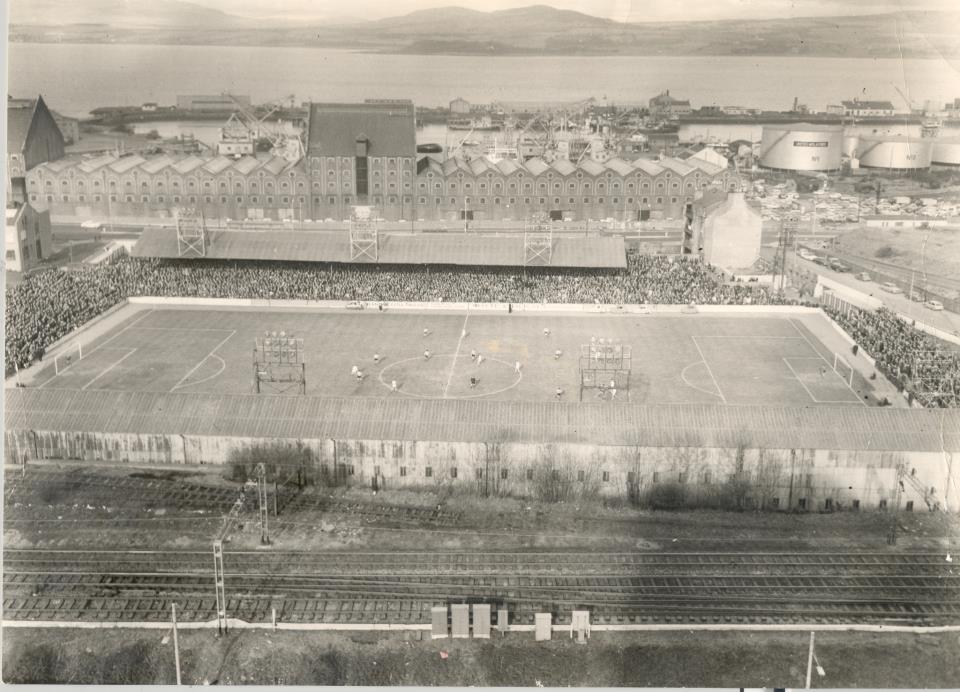
Everybody knows something about the sports meetings held by the big football clubs – Rangers, Celtic, Queen’s Park, etc, and there are works meetings such as the Babcock and Wilcox Sports at Renfrew and Dirrans Sports in Kilwinning but knowledge of the Greenock Glenpark Sports in the athletics community is strictly limited.   Held on the last Saturday in July, it was the start of three weekends of athletics meetings that drew big crowds.   Rangers Sports were on the first Saturday in August and Celtic on the second Saturday.   Held at Cappielow Park, home of Greenock Morton FC, they drew crowds of up to 11,000 spectators and attracted athletes from England, Ireland and even further field at times.   In the 1920’s such athletes as Eric Liddell were annual competitors at the meeting, but in the period before that the 1914-18 war made athletics difficult but the committee of the club did well and the meeting was held every year of the war.   We start this section in 1914 with a report from the ‘Glasgow Herald’.

“An unusually varied programme and the presence of several well-known competitors from England and Ireland attracted fully 5000 spectators to the athletic meeting of Greenock Glenpark Harriers at Cappielow Park on Saturday.   The weather was fair but cold, a strong breeze prevailing throughout the afternoon.   The wind favoured the sprinters and fast times were registered in the Heats of the 100 yards handicap, while the Final was won from scratch in a shade under 10 seconds.   The Irish champion, FRS Shaw, was a popular winner in this event and he also qualified for the final of the 220 yards, but to the disappointment of spectators, he was prevented by sickness from competing.   HJ Christie, who won his Heat easily, secured a narrow victory in the Final in which he improved his earlier time by a second.   In the three miles invitation handicap, FJ Ryder, Clonliffe Harriers, gave a fine exhibition of staying power and speed.   Starting from scratch, and conceding starts up to 280 yards, he gradually overtook a large field and won by 10 yards from W Brodie, Paisley YMCA Harriers, the winner of the two miles handicap at Ayr the previous Saturday.   Along with Ryder on the scratch mark, were GCL Wallach, ex-champion at four miles, and James Wilson, the ex-champion.   The trio kept together for fully two miles when Wallack fell back, and a little later Wilson also lost ground.   In the last lap Ryder made his effort, and with a fine burst of speed, overtook the field finishing strongly, as stated.   E Glover, Hallamshire Harriers, was entered for both the mile and the three miles but he did not compete.   Duncan McPhee. the Scottish half-mile and mile champion, was also an entrant for the three miles, but reserved himself for the shorter distance  in which he secured third place from AG Lang, Greenock Glenpark, and WP Brown, Glasgow YMCA Harriers.   Wallach also ran in the Mile, reserving 30 yards from McPhee but he was unplaced, securing however the prize for the first Glenpark man home after the three placed men.   The relay race proved an easy victory for the West of Scotland Harriers.   More than ordinary interest was imparted to the two miles walk by the presence of the English champion, R Bridge.   With the limit man 350 yards away, Bridge walked at a very fast pace throughout and finished half a lap ahead of the Scottish champion, Alex Justice, and finished in the very fast time of 13 min 57 3-5th sec, only 2-5th sec outside the Scottish all comers record.”

Held on 25th July, the sports were a great success with more than ten events plus the usual five-a-side competition in which Rangers beat Celtic 1-0 in the final.   The local club did well – in the relay they were second to the West team with Clydesdale Harriers third, the winner of the handicap mile, and finalists in almost every event.

George Wallach

GCL Wallach

By July 1915 hostilities had been joined and the war was well under way but a sports meeting was held organised by Glenpark on 31st July.   Under the heading of  Greenock Glenpark Harriers, the report read:

“An athletic meeting was held in aid of dependants of soldiers and sailors was held at Cappielow Park on Saturday afternoon.   The promoters were the Glenpark Harriers, and the meeting was under the patronage of Sir Hugh Shaw Stewart, Bart; the Lady Alice Shaw Stewart, the Provost, Magistrates and Town Councils of Greenock, Gourock and Port Glasgow; the Directorate of the Morton Football Club; the military and naval officers stationed in Western Renfrewshire, and a large number of prominent people in the district.   The programme embraced no fewer than eleven events, in addition to races for the Boy Scouts and the Boys Brigade, and the open and invitation events were supported by nearly all the Scottish runners and a number of well-known English and Irish competitors.    The military marathon race, for teams of twelve, attracted an entry of thirteen teams.   Competitors were required to cover a course of about 10 miles in miltary equipment, each team travelling and finishing as a unit.  The winning team proved to be one of those representing the 8th Provisional Battalion, HLI, who also furnished the runners-up, there being less than a minute in the times of the two teams.   In the two miles walking handicap, R Bridge the English champion gave a good exhibition of his unique talent, conceding starts of up to 350 yards, and winning by fully 200 yards.   Two of the invitation events, the quarter and the halfmile were won by G Dallas, Maryhill Harriers, who was followed in the shorter distance by GH Gray, of Salford Harriers, the winner of the hurdle race.   The latter event was over a distance of 220 yards, instead of the more usual 120, and the English champion was able to concede 16 yards to HD Soutter and won y a yard.

Fine weather prevailed and there was a crowd of 8000, the drawings at gate and stand amounting to about £300.   To this is to be added the sum of £45:1:9d, being the amount of a subscription amongst the workers in the Greenock Torpedo Factory.”

It is surprising that such meetings were able to be conducted thorughout the war period, albeit that the fields were a bit restricted because of the numbers on active service, but every did their bit and the money raised was put to good use.   The military marathon was a bit more of a challenge tha some of the events restricted to serving personnel – some were normal events (100 yards for soldiers only), others were more specific to the cause (‘stretcher races with a ‘body’ strapped to the stretcher), and some were simply displays.   On the same day there were sports at Tynecastle in Edinburgh ehere there were 11,000 spectators and drawings were £270 which went to the Red Cross Society

R Bridge appeared on the programme as  ‘London Walking Club and Glenpark Harriers’, and FJ Ryder, again from scratch, was second to a Glenpark runner to who he was conceding 295 yards.

Wilson Slough Harriers

James Wilson

The 1916 version of the Greenock Glenpark Sports was held on 29th July and instead of a report as such on the meeting, the ‘Glasgow Haerld’ commented at length in its ‘Notes on Sports’ column.

“It says much for the influence of Mr William Struthers, of Glenpark Harriers, that he is able to attract to the annual gala of his club so many visitors from England and Ireland.   The presence of such notable performers as Corporal Gamble of the Irish Guards, Bridge, the champion walker of England, Lieutenant Taylor, the rival of Applegarth, Gray, the famous hurdler, and Ryder of Ireland gave distinction to a full and varied programme.   Of those mentioned, only Gamble met with any great success.   He ran a magnificent race in the half mile and won on the tape after finding himself rather curtailed for room at the bend into the home straight.   He is a splendid specimen of athletic manhood, big of body and lithe of limb, and his pace and action are a delight to the eye.   Bridge did not feel too well after a night of travelling, and had to retires owing to that vexatious athletic infliction commonly known as ‘stitch’.   In any case he would have had to make a supreme effort to overtake the Scottish champion, Justice, who walked with great determination and pace and ultimately finished an easy winner.   Then Gray did not seem enamoured of the line of hurdles running diagonally across the pitch and did well to finish close up to Soutter of the promoting clubin the good time of 15 sec.   Wilson, the Scottish champion, a slim and graceful runner, had a splendid victory from scratch in the three miles handicap, in which he had more trouble in disposing of Lance Corporal Ross, the winner at Ayr, than in defeating such notabilities as Wallach and Ryder.   The dapper little Salford Harrier, Shelmardine, shone at the shorter distances.   A very nondescript Celtic five were defeated by Morton, and a team of Royal Scots Fusiliers, captained by the well-known athlete Sergeant Gutteridge, won the military marathon.   In view of the enterprise displayed by the promoters, it was gratifying to find the attendance of 7000 present, so that the local war funds will substantially benefit.”

The military marathon had been cut in half from the revious year, being held over only five miles in 1916.   The William Struthers mentioned was a hard working and highly respected official throughout Scottish athletics: he had been president of the SCCU in 1912-14 and would go on to be president of the SAAA in season 1922-23.

D McPhee WoSH 1914

Duncan McPhee

There were three fixtures on 28th July, 1917 – Greenock Glenpark, Edinburgh and the professional meeting at Shawfield organised by Clyde FC.   As the war progressed so thenumber of events was reduced – partly because so many men were being sent to the front line to fight in the bloody battles of the 1914-18 War, partly because travel to meetings was difficult and partly because time was not available for training.    Nevertheless the Greenock meeting attracted a crowd of 5000 on a bright, sunny, July afternoon at Cappielow.   “Despite the absence of sporting celebrities from the fields of the south, the attendance was as large as ever and this was particularly gratifying in view of the subject to which the proceeds are to be devoted – The Greenock Sailors and Soldiers Families Association.   It was once more made evident that sporting interest does not so much depend on individual distinction as upon a certain equality of ability which ensures keen competition and engenders liveliness.   As so often occurs, members of the organising club figured prominently in the prize list: indeed they won three of the four open events.  LA Osborne was a double winner, and ran with great brightness and life in the hundred and furlong.   It was pleasing to find J Wilson, the Scottish four miles champion, successful in winning the half-mile, and for a time he looked like emulating Osborne’s feat by adding the two miles to the shorter distance, but a magnificnt finishing dash by Ross, the Edinburgh runner, deprived the local man of the double distinction.   Military items bulked largely in the programme, and as usual the aid of football was invoked to attract and entertain the crowd.   Our experience this season has been that these football tournaments are generally tedious because of their length, and uninteresting because of the incapacity of the average player to adapt himself to changed conditions. Most programmes would gain if the entries were limited to four or five teams as was the case at Cappielow. “

The programme was reduced to five events (heats for the sprints) plus the football, and the military marathon was now limited to the 3rd Royal Scots Fusilers, and run over six miles.   Winners were H Company, G Company and F Company; the five-a-sides were won by Celtic (1-0) over a Military Five, from Maryhill.

*

In 1918, still suffering from the exigencies of the war, the sports went ahead on 27th June.   There were several small scale meetings on that day and Glenpark’s was one of them.   “There was a large number of sports meetings promoted by a great variety of organisations.   For reasons connected chiefly with past history, the gala of Greenock Glenpark Harriers may be given pride of place.   It attracted a fine crowd, who were for the most part pleased that members of the home club figured so prominently in the prize list; for instance they monopolised all the laurels in the furlong.   It must be confessed that there is a tendency to sameness about athletic programmes these days – seldom is there any novelty in regard to the personel of the competitors or the nature of the competition, so that the appearance of GCL Wallach, a “pre-war Scottish champion” at Cappielow was a welcome variation from the ordinary. He ran well in the two miles but was unable to overtake Cuthbert, who finished in dashing style.   The Railwaymen’s Union had a successful gathering at Ibrox Park which should be of substantial assistance to the Orphan Fund.   The sport calls for little comment.”

There were five events (with heats in the 100 and 220 yards) and a five a side in which St Mirren beat Rangers 2-0.   The crowd totalled 8000 so the money raised for the families of serving members of the forces would have been considerable.   At Ibrox there were five events plus a tug o’war (won by Bargeddie and a five-a-side in which Vale of Clyde beat Benburb 3-0.   The Glenpark meeting with international runners taking part and lots of locals was clearly the meeting to be seen at.   It should be noted though that,as had been the case all along, the professional meeting at Shawfield, organised by Clyde FC had a much bigger crowd than any of the others with 20,000 in attendance on this weekend.   It also had the best five-a-side with Rangers beating Clydebank in the final by 2 – 0.

Cappielow

Cappielow Park, Home of Greenock Morton FC

After the war, on 26th July, 1919, matters were starting to get back to normal as was shown by the report in the ‘Glasgow Herald’.   Glenpark Harriers meeeting at Greenock on Saturday recalled some great athletic meetings of former days when the most famous amateur performers from England, Ireland and abroad came to the west of Scotland.   Among the competitors at Cappielow were two from New Zealand, one from Canada and several from England.   The presence of the Colonials in this country is, of course, due to the war, all three being members of the fighting forces, and it was an excellent idea of the Glenpark management to persuade them to compete.   Their running imparted distinction to the meeting, which otherwise could hardly have  reached the standard usually associated with Greenock.   The entries were not numerous, and some of the more prominent runners were engaged elsewhere but Sergeant Mason, Sergeant Lindsay, Sergeant Phillips and AM Nichols made amends for much and the meeting will stand out as one of the most interesting of the season.  Mason, who won the half-mile, is a commanding personality and a runner of exceptional ability.  

The first Heat had little more than started when it became apparent that none of the other runners could stay the pace he set.   He won as he liked in 2 min dead, and in the Final he improved to the extent of four fifths of a second, and left the impression that he could have done much better if necessary.   It is true that he was challenged in the straight by I Dobbie to whom he was conceding 35 yards, but the New Zealander found with no apparent difficulty the extra pace necessary to secure first position by a substantial margin.

No fewer than three Scottish champions were among the competitors – Sergeant Phillips, J Wilson and AH Goodwin.   The Canadian, who gained championship honours at Parkhead two weeksa month ago, did not start in the half-mile handicap but he rendered useful service to Glenpark, of which club he is a member, in the relay race, and he won the invitation quarter-mile from scratch, beating Mason narrowly in the last ten yards.   It was a matter for regret that the latter did not start in the invitation mile, as his running in the half-mile suggested that he would have given a good account of himself.   AH Nichols of the Surrey AC, was also a non-starter but he was reserving himself for the three miles in which he out distanced the field in the early stages  and ran the last lap like a quarter miler.   James Wilson, the four miles champion, and GCL Wallach, an ex-champion, ran together for a time but  the latter tired early, and Wilson had to go on alone most of the way.   Of the home competitors the most successful was A Forrester, of the promoting club,  who captured the 100 and 220 yards open handicaps.   Maryhill narrowly beat Glenpark in the relay race, though but for a faulty exchange in the furlongs, the Greenock team might have had the better of the champions.   The meeting was well handled and finished ahead of schedule with the final of the football tournament a win for the home five sending the crowd home in a good humour.”

Sergeant Phillips of Canada ran in the 800m in the 1924 Olympics in Paris.   The initiative shown during the period of the war and in its immediate aftermath would be shown to good effect in the 1920’s and would culminate in a match between Scotland and Canada at the Glenpark Harriers Games.

Greenock Glenpark Sports, 1920 – 1929

Greenock Glenpark Harriers Sports: 1920 – 29

GGH Hare

The Greenock Glenpark Harriers Sports was one of Scottish athletics most respected, best supported and longest running meetings in the country.   It attracted not only club runners from all over Scotland but also international athletes, including Olympians and world record holders, from many countries outside Scotland.   Although a variety of clubs held sports meetings on the same day, none of them lasted for any length of time; the only meeting that lasted for any length of time on the same date as the Greenock meeting was the professional meeting organised by Clyde  FC at Shawfield which began in 1913.   This web page deals with the GGH sports for the years between 1920 and 1929.

Held on 31st July, 1920, the ‘Glasgow Herald’ reported on the sports as follows.  “The annual English invasion began at Greenock on Saturday when the names of no fewer than nine distinguished athletes from south of the Border appeared on the programme of the Glenpark Harriers Sports.    They were not all present and those of them who did compete were by no means impressive.   The most successful of the visitors was CE Blewitt, the Four Miles champion, who with a start of 20 yards finished second in the one mile handicap.   RA Lindsay qualified for the final of the one lap race but the winner turned up in a local man, W Wallace, who also won the 220 yards, in which the Blackheath Harrier was unplaced in his heat.   Another double winner was JG McIntyre who secured the mile and the half-mile.   As at Saltcoats the previous Saturday, the most interesting personality on the track was James Wilson, the Scottish distance champion, who seems to improve with each successive appearance.   In the Three Miles he started from scratch with Blewitt in attendance, the Englishman following him closely for about a mile, when Wilson’s superior speed told on his companion.   Wilson had another strong opponent in W Kerr, West of Scotland Harriers, but he too was eventually shaken off and the champion literally won as he liked.   On May 29th, Wilson was unable to do 15 min 52.2 sec, and three weeks later he was beaten in 15 min 7.4 sec, while on Saturday he won in 14 min 49 sec with no necessity for a fast finish.   These figures illustrate how Wilson has come on since the beginning of the season, and they encourage the hope that he will give a good account of himself in the Olympic Games.   At Antwerp he will compete in the 6000 metres and 10000 metres races, as well as in the cross-country championships.   He should be equally suited at both distances, and in the cross-country also he has a good chance of being in among the prize winners.”

The meeting was held at Cappielow Park and there were about 10000 spectators in attendance in fine weather and the times were generally good.   In the almost obligatory five-a-side football tournament, Morton won 2 – 0 against Ayr United.
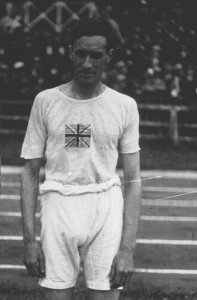
James Wilson

James Wilson

If 1920 was a good meeting, 1921 was virtually a disaster.   The report on the meeting makes depressing reading about the sports held in the rain, with a ‘breeze’ and before a crowd o only 2000.

Glenpark’s Misfortune

Few places in Scotland escaped the rain on Saturday, and it is hardly necessary to say that Greenock was not one of them.   The Glenpark Harriers, who have hitherto almost invariably enjoyed good weather for their sports, were badly hit financially, the attendance being less than half what it would have been had the elements permitted.   They had an attractive programme and an entry list comprising all the eligible Scottish champions – that is to say, all for whom opportunities to compete were provided – and had the weather been fine it is safe to say that the capacity of the ground would have been taxed to its utmost.   As it was there were only a few hundreds on the open terracing, but the stand was filled.   The ground was sodden, and the combination of heavy rain, an east wind, and a holding track, seriously affected some of the competitors and accounted for the slow times returned.   Duncan McPhee, for example, found the conditions so unfavourable thatin the 1000 yards invitation handicap, the only event in which he competed, he could get no nearer the tape than 20 yards in 2 min 31 sec, while JG McIntyre, the four miles champion, was actually in arrears in the two miles  though he had a start of 35 yards.

Times in the sprint, which was run against the breeze, were slow, the best recorded being 10 4-5th sec, which was also the time of the final.   Another feature of the meeting was the non-success of the champions.   GT Stevenson, the quarter-miler, was second in the furlong.   EH Liddell, the sprint champion, had nothing to show for a strenuous afternoon’s work: he was third in the 100 yards invitation handicap, but trhere were only two prizes.   WA Hill won his heat in the open 100 yards handicap, but did not reach the final.   Kenneth Smith, the high jump champion, was unable to concede the starts asked, and did not compete in the pole vault, at which also he won the championship in June last.   RA Lindsay, the ex-Scottish champion, ran in the 300 yards invitation handicap without success.   There was an entry of six teams for the relay race but in view of the depressing circumstances, the event was abandoned.    As the afternoon advanced, some of the competitors became disinclined to turn out.   The 300 yards invitation handicap, for example, had an entry of 16 and was intended to be run as two heats and a final.   When the heats were called, only seven responded and no final was needed.   Again, in the 220 yards a single runner turned out for the third heat, and in the pole vault a total of two competed for the two prizes.   It would be unfair to censure those who called off, for competition in such circumstances was more heroic than pleasurable.   The drawings will not cover the expenses of the meeting, and with a view to making up the deficiency the club propose to hold an evening meeting next week.”

In the five-a-side final, Morton beat Rangers by one corner to nil.   There was no report in the papers the following week of a supplementary meeting the next week.   That doesn’t mean that none took place – it was probably that only local athletes would take part.   Such athletes as Eric Liddell, Lindsay and the rest would have found midweek travel difficult at that time.   It says a lot for the Committee however that they had managed to put together such an attractive programme in the first place.
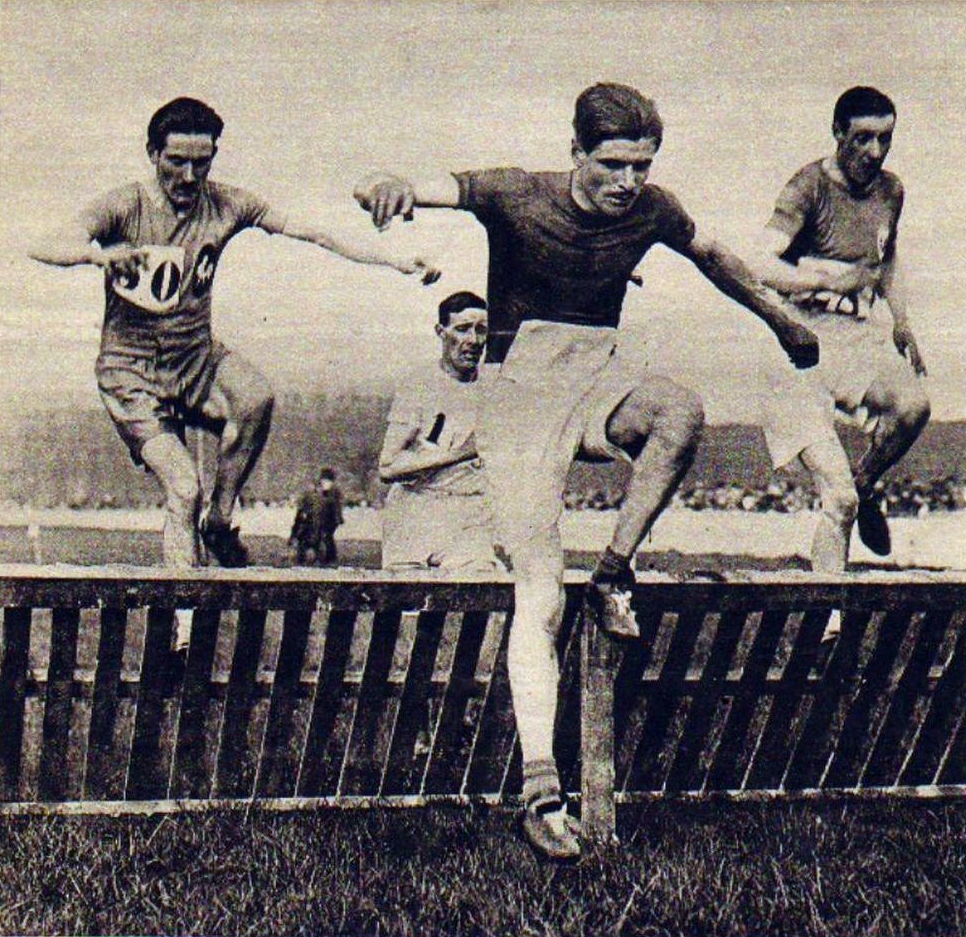
1923 International Cross, James McIntyre #28

JG McIntyre

1922 was a bit better though.  The weather in the morning was threatening, but it cleared up and there were just over 5000 spectators at Cappielow to see the meeting.  “Greenock Glenpark Harriers scored another success with their sports meeting at Cappielow Park on Saturday.   No records were made, but competition reached a high level, particularly in the 100 yards handicap, in which even time was returned in both semi-finals and then again in the final.   The runners had the advantage of he wind but even so, the performances of Liddell and Gardner were very meritorious, as the breeze was, though favourable, not materially helpful.   The outstanding feature of the meeting was the two miles walk in which Colin McLellan, the Scottish champion, was matched against Robert Bridge, ex-champion of England.   It was understood that the latter had designs on the Scottish record.   He did not come near the long-standing figures of EJ Webb, who at Ibrox Park in 1909 completed the distance in 13 min 57 1-5th sec, but he gave a fine exposition of the walking art and left the Scottish champion far behind.   The absence of Duncan McPhee from the half-mile was a disappointment to many of the spectators.   The champion reserved himself for the 1000 yards in which he was unable to get a place, retiring 40 yards from the tape when he realised that further effort was hopeless.   EH Liddell also disappointed, standing down from the 300 yards invitation and the open furlong.   He won his heat and semi-final in the 100 yards but was beaten in the final by PR Gardner  who had the further distinction of winning the 220 yards.”   

The relay went ahead with Glenpark finishing third behind Maryhill Harriers and West of Scotland Harriere and Morton upheld local pride with a 5-3 victory over Alloa in the five-a-sides.

*

28 July, 1923 was the date of the next meeting when a ‘satisfactory’ crowd of 4000+ witnessed a meeting with Liddell, McPhee, McIntyre, Smith, McLellan and Jamieson all took part.   Liddell was a great favourite and competed all over Scotland every summer, always giving his best despite being probably the best sprinter in the country at the time; McPhee, on the other hand, often disappointed the crowd by entering two or three events and then only running one, on at least one occasion leaving the arena without telling anyone and even leaving the ground altogether.   He was a very good athlete indeed, the top man in the country for many years, but did not always leave the spectators happy with his performance.

“The recollection of EH Liddell’s achievements on the same field a year ago, and the glamour of his running at Stoke, must have been the cause of the satisfactory crowd which patronised the Glenpark Harriers meeting at Cappielow on Saturdayfor under no other conditions could the atmospheric conditions be said to be enticing.    The champion, who has been taking things easily since the International, was also probably affected by the depression, and his running ;acked much of its usual fire.   He won his heat in the open hundred in 10 3-5th sec, but a bad start in the semi-final saw him a good yard behind the winner who returned a fifth faster.   In the invitation 100, the winner of which, DE Duncan of Maryhill Harriers, was given as doing 10 2-5th off the four yards mark, Liddell was unplaced, although close up.   No doubt however he will be properly tuned up before the arrival of our visitors next week-end.   The open 100 was won by JG Scott, with nine yards, and this runner also won the furlong with greatest ease, as with a concession of 18 yards, he finished with at least five yards in hand.

The other champions present, with the exception of R Jamieson, met with as little success as Liddell.   Duncan McPhee, who ran in both the open half-mile and the mile invitation, never got on terms with his men, while JG McIntyre, at scratch in the three miles event, has also been seen to better advantage.   The distance events, despite the failure of the back-markers, were all interesting.   ME Anderson, of Shettleston Harriers won both the half-mile and mile, and the feature of his running in each race was the reserve whch he possessed when it came to the finishing straight.   It was his extra bit of pace there that secured him the verdict in each case.   J McFarlane of Maryhill, now approaching the veteran stage, ran the mile in something nearer his old form than he has displayed this season, and was unfortunate to be against such a strong finisher as Anderson.   The three miles race attracted a good field, and D Wright, the cross-country champion, and W Neilson, the West of Scotland Harrier, who has done so little since his breakdown in Paris, was much too hot for the rest, and the race lay between this pair.   Wright, who has had the tantalising record of finishing second so frequently, got home by a yard after an exceptionally interesting race.   C Freshwater, the youthful Clydesdale Harrier, took part in this event, and ran well, but it did not seem good management on the part of his mentors to allow him to compete over this distance in such company.   It must have been an extremely punishing experience for such a young runner.”   

There were many other sports meetings held that Saturday – apart from 10,000 spectators at the professional Clyde FC Sports, these were held at West Calder, at Strathallan (the Cadet sports), Lochmaben, Shotts and Newtongrange – but Glenpark had the best of them.
CB Mein winning a handicap

CB Mein

Glasgow Herald, July 28th, 1924:   “Chief interest in athletics in Scotland on Saturday centred in the international contest at Greenock, where the Candians beat the Scottish representatives by five events to four.   A new Scottish all-comers record was established in the pole vault by VW Pickard.   EH Liddell ran in the 100 yards, the quarter-mile and the relay race, and had an easy win in the quarter.” 

Yes, the greatest coup of the summer programme in Scotland was Greenock Glenpark Harriers getting an international match against the ever-popular Canadians incorporated into their meeting.    The team was returning to Canada from the 1924 Paris Olympic Games and, although other sports meetings attracted individual athletes from the Games, Glenpark was the only one to have a team contest an international fixture where the home crowd could get behind their athletes.

“In bringing the Canadian Olympic team to Scotland the Greenock Glenpark Harriers Club showed commendable spirit of enterprise, and it is satisfactory to be able to state that the public so far appreciated it that they turned out in sufficient numbers to make the international meeting a financial success.   The team chosen to represent Scotland was the best at the Scottish Association’s call, and if the range of events was somewhat limited, the test was productive of some keen racing.   Of the nine events on the programme, Canada won five – the 100 yards, furlong, high jump, pole vault and two laps relay-  while the home successes were gained in the quarter-mile, half-mile, mile and mile relay.   Two of the victories secured by the visitors went to CR Coaffee who won the 100 yards in even time, and the 220 in 23 2-5th sec.   The Canadian champion, who has been credited with equalling world’s record over the shorter distance at home, is no stylist.   He runs the first half of the distance with a peculiar crouching gait that is very deceptive, for at this point he had gained an advantage that he held to the tape.   In this case, the challenge came not from Liddell as expected but from Scotland’s second string, Crawford, who developed a  great finishing burst to finish a yard behind the winner.   Liddell’s specialising over the quarter has evidently robbed him of his pace in the sprint, as though he hung a little on his mark to beging with, he was fairly and squarely beaten by both Coaffee and Crawford.

Liddell did not oppose Coaffee in the furlong, and here the Canadian ran a much better race than the time gives him credit for.   He had the heels of Hester and McLean and on a good track can do much better.   In the quarter however we had a glimpse of the real Liddell and this, judging by the interest round the ropes, was the event in which the crowd most wanted to see the Olympic champion do his best.   His chief opponent here was AT Christie, the Canadian, who impressed as being a good man over the distance; but when it came to the finish, Liddell passed his man as if he were standing, and had nearly 15 yards in hand at the tape.   He has done better in Scotland than the 51 1-5th sec returned, but the experience which he has gained during the past month or two was manifest in the manner in which he ran his race.   He moved with confidence in his power to win that left a profound impression on the crowd.    Good as was his race in the quarter, his effort in the one mile relay race was better.   Here bad changing over on the part of the home men left him with a leeway of 10 yards to make up, but he made light of this handicap, and wiped it off, enabling Scotland to win this event by four yards.   In the relay, Liddell was clocked to have run 445 yards in 50 1-5th secand his appearance on the Ibrox track next Saturday should be a memorable one.

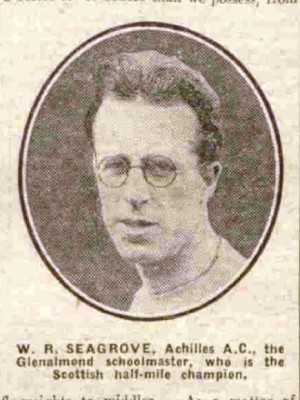
In the half-mile, the two Scottish representatives finished in front of the Canadian Harris.   There was however a surprise here, as CB Mein defeated McRae for first place, thus reversing the championship placings.   McRae however does not take kindly to running on grass, if we can judge by his appearances since the holiday meetings began.   WR Seagrove, as expected,  finished first in the mile although the time, 4 min 48 3-5th sec, represents an amble, but the Cantab was always running well within himself.   A new all-comers Scottish record was created in the pole vault, the two Canadians, VW Pickard and JE Francis, easily outstripping the home men in this event.   The first named cleared 12 feet 4 1/2 inches which is over a foot better than EL Stones’ championship effort made as long ago as 1889.

In the open events, J Crawford, running from three yards scored his second sprint success within six days and it is clear that the Board of Control made a mistake in interfering with the handicapper’s method of dealing with the Queen’s Park runner.   His time on Saturday was a yard worse than evens, and as he clocked even time when running at the Police and Partick Thistle meetings, it would require something like a world record beater over the distance to to give him a concession like this.   Certainly Liddell on present form cannot do it.”

The last named, Crawford of QPFC, won the open hundred by half a yard from a mark of 3 yards from Bernstein of West of Scotland who had a mark of 8 yards.   The Canadian sprinter Coaffee was an interesting character – born in Edmonton in London, his family emigrated when he was eight years old to Canada.   He ran in the 1920 and 1924 Olympics and in  between times tied the world record of 9.6 seconds.

*

On 31st July 1926, there was a considerably good counter-attraction for the athletics aficionado in the form of a match between the brand new Atalanta Club, which was a team selected from the four Scottish Universities, competing against a full strength Achilles club.   There were 4000 spectators at Cappielow but 5000 at Hampden for the Universities meeting.    The report read:

“The annual sports meeting of Greenock Glenpark Harriers at Cappielow Park on Saturday in brilliant sunshine and before an attendance of fully 4000 spectators.   The backmarkers met with little success, but in the half-mile there was a keen struggle between NJ McEachern, Clonliffe Harriers, the Irish champion, and TM Riddell, Shettleston Harriers, the Scottish mile champion for second place.   Neither of them could match McHattie ,of Mauchline Harriers, who had a handicap of 30 yards, but the Irishman managed to secure second place three yards ahead of Riddell.   In the quarter-mile invitation race for the Eric H Liddell Trophy, JD Hope, West of Scotland Harriers (the holder) only managed to secure third place after a splendid race.”

*

Glasgow Herald, 1 August, 1927:

The heavy rain caused the sports meeting of the Greenock Glenpark Harriers to be postponed.”

*

If the rain in 1921 was bad, and the weather in 1927 was serious enough to have the meeting postponed, there was no such problem in 1928.   There was however another problem!

“Glenpark Harriers meeting at Greenock provided capital sport, but there was perhaps too much of it, as it was close to seven o’clock before the programme was completed.    Chief interest was attached to the race for the Liddell Trophy over 440 yards, and this produced a rare contest.   Fraser, who won last year, was forward to defend his title, and JM Miller, the Scottish quarter mile champion, was also a starter but the winner was found in Calder of Beith Harriers, who at the meeting promoted by his own club a week ago won the quarter and half-mile championships of Ayrshire.   He was off six yards and at the crucial part of the race it did not seem likely that he would win.   Calder however had something in reserve and with a final effort he won by a narrow margin.   Miller did not finish when he saw he had no chance of winning.

Donald McLaren also found his handicap too much for him and retired from the two races – the open half-mile and the two miles – in which he started.   The first named race was won by WH Calderwood of Maryhill Harriers, who, like Calder, showed fine judgment in making his effort and won cleverly.   It was a thrilling finish.   R Hamilton, winner of the 100 yards; F Green in the Youths half-mile; and DF McKechnie in the two miles, were others who distinguished themselves.   The Renfrewshire team race justified its inclusion for the first time, but the cycle races took up too much time, and with the football helped to prolong the meeting.”

So you can have too much of a good thing.   Despite reading so much about athletics history, I still find it difficult to come to terms with the notion that, if you’re not going to win, you just drop out.   It was a habit with some runners of talent and was usually noted.   In the five-a-side competition, Rangers defeated Morton B by one goal to nil, and still had a team out at the Clyde FC professional meeting where they also won, defeating Celtic by three goals to nil.

*

The headline after the Greenock meeting in 1929 told a different story.

SPORTS AT PORT GLASGOW

The athletics season in Scotland has almost run its course.   Next Saturday, when Rangers FC present their usual varied programme with many of the Scottish and English cracks competing will mark the close as far as the amateurs are concerned.   Saturday was a quiet day for them, the only meeting of importance being that run at Port-Glasgow under the auspices of the Renfrewshire Cross-Country Association, including Auchmountain, Greenock Glenpark and Wellpark Harriers Clubs.   At this meeting all  the events, with the exception of the Eric Liddell Trophy quarter-mile handicap races, were County championships, or scratch contests open to members of county clubs.  

Six events constituted  the list of flat championships.   Roy Hamilton, the Scottish furlong champion, was a competitor as a Glasgow Harrier in the 100 yards which he won without difficulty in a slow time, due largely to the condition of the track.   Hamilton did not take part in the 220 yards championship, a race which fell to his clubmate, JM Bryans, in the slow time of 26 seconds.   

Glasgow Harriers won the one mile relay race in 4 min 7 sec, but this success was due to the great running of Roy Hamilton in the second furlong.   He wiped out a deficit of six yards and converted it into a lead of ten yards.

The Eric Liddell Trophy race failed to attract more than three competitors.   The back-marker was TJ McAllister, Beith, off six yards.   The winner was W McLaughlin, Springburn Harriers, who returned 53 1-5th sec from 14 yards – comparatively the best performance of the meeting.”

And there you have it.   From hosting the international against Canada in 1924 to a purely local meeting in 1926.   There was no report of a meeting at Greenock in 1930.  On 25th July 1931 however the Renfrewshire Cross-Country Association held their track and field events championships at the St Mirren FC ground in Paisley and it seemed to go well.   In 1932, 30th July, the 77th (Highland) Field Brigade, Royal Artillery held their annual regimental sports at Cappielow Park and among the athletes taking part were several members of Glenpark Harriers.  There were no reports of athletics meetings in Greenock on the last Saturday in July after that – at least none on a regular basis which was a real loss to Scottish athletics.
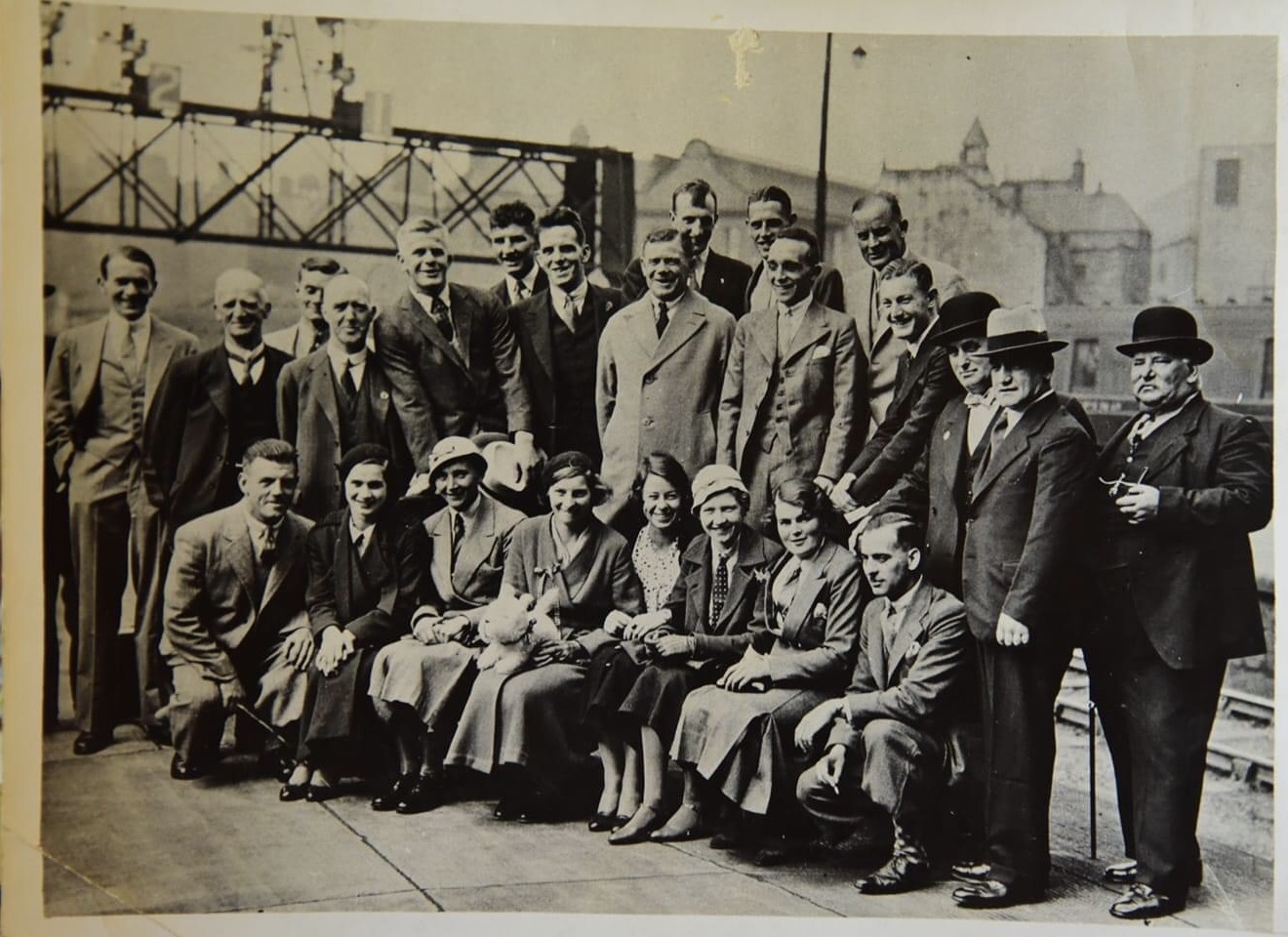
 

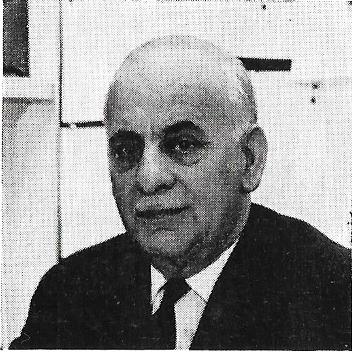
Willie Carmichael

Willie Carmichael0004

Willie Carmichael

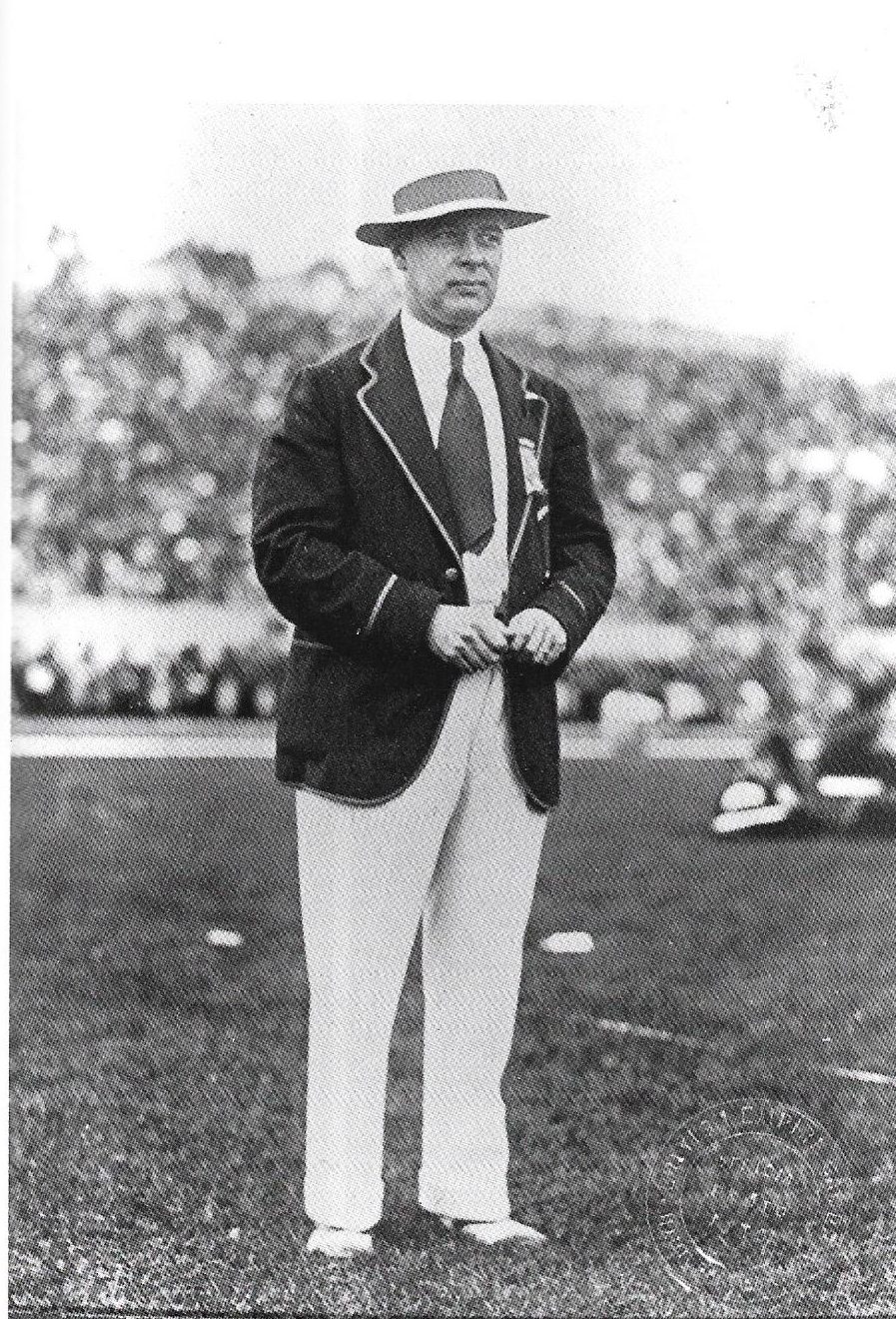
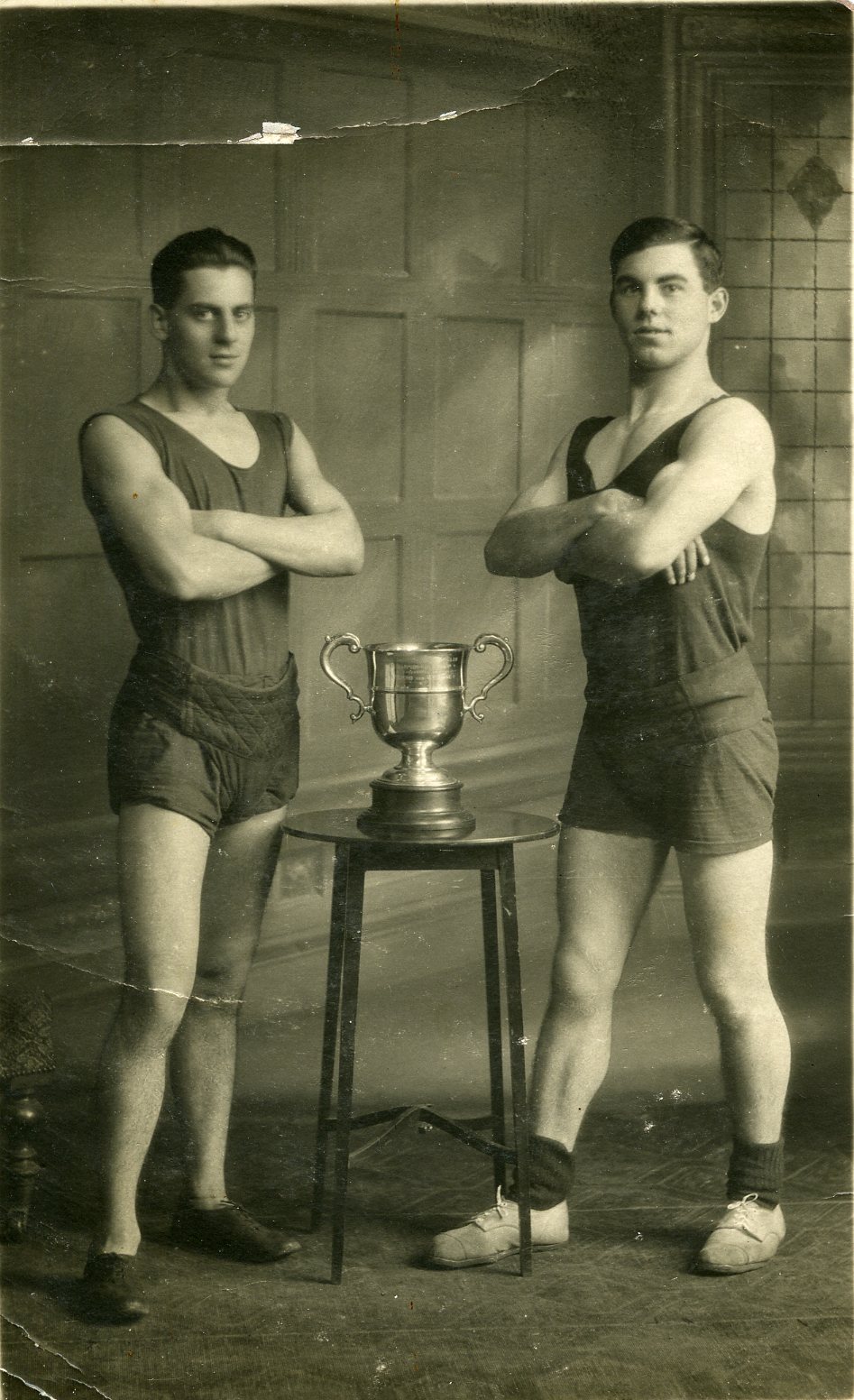
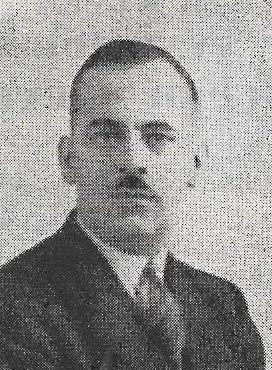
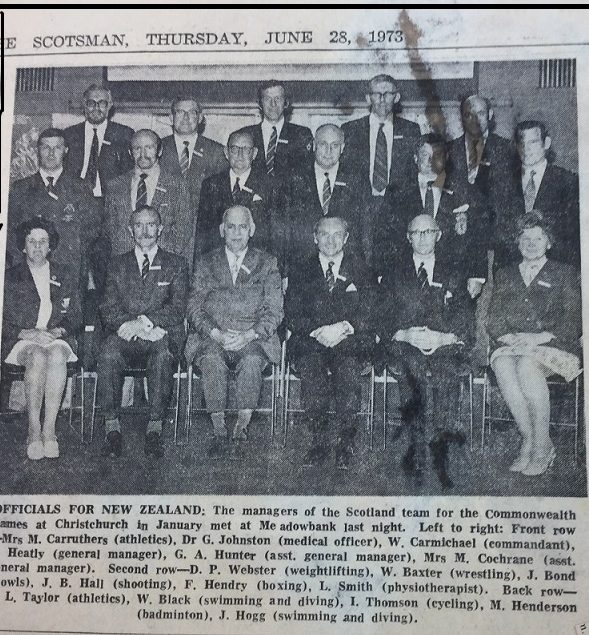
Willie Carmichael was very influential in Scottish athletics for several decades and yet his name is hardly known in current sporting circles.   His  career in the sport began in 1921 as a member of Edinburgh Northern Harriers before helping set up Canon Amateur Sporting Club in 1922.    He was also a a champion wrestler who went on to manage the Scottish team at the 1934 Empire Games, and such was his involvement with that movement that he he was honoured with an OBE in 1971.  He had energy in abundance,  a vision equalled by few and was a great servant of Scottish athletics.
WC 03 10 001

1922, Hawkhill.   W Carmichael of Edinburgh Northern Harriers

In 1922 at the age of 17, Willie, who had started in athletics a year earlier in 1921 with Edinburgh Northern Harriers,  was a founder member of Canon ASC .   Although a runner, he was also already a committee man and, representing the club, he was the second man to hold the post of  secretary of the East District Cross Country League (which was established in 1924) from 1926 .  It was a post he held until 1928 when he went off to India to work.   On his return two years later,  he became League President from 1930 t0 1934, still as a member of Canon.   1934 was a significant year for Willie:  when Canon ASC became Edinburgh Eastern Harriers he was a founder member; and in that same year he was manager of the Scottish wrestling team at the Empire Games in London.   The Scottish Amateur Wrestling Association was formed in 1931.  By 1938 Kenneth Whitton was President and Willie Carmichael Secretary of SAWA and they were joint team managers at the 1938 Empire Games in Sydney, Australia.  (Kenneth Whitton was also an athlete and athletics historian who made several contributons to the official 50th anniversary history of the SAAA).   Willie was very active in both sports simultaneously and by 1938, at the age of 36, already had experience of three Empire Games.

WC 03 10 003

Final, Thomas Young Cup.   W Carmichael  v  J Cropper (winner)  1932

As an elected member of the SAAA, he was automatically on the East District Committee of which he was Secretary from 1937 to 1951.   President of the Scottish Cross-Country Union in 1937/38, he is better known for his work with the cross-country side of the sport before the War in 1939.      The War started in 1939 and athletics was the least of anybody’s problems with the sport on a back burner until 1946.

Even the War couldn’t hinder his interest in the sport.   Betwen 1944/45, while Director of Salvage for Northern Ireland, he was a member of the NIAAA committee and chaired the meeting of North and South which formed the Irish Amateur Athletic Board.

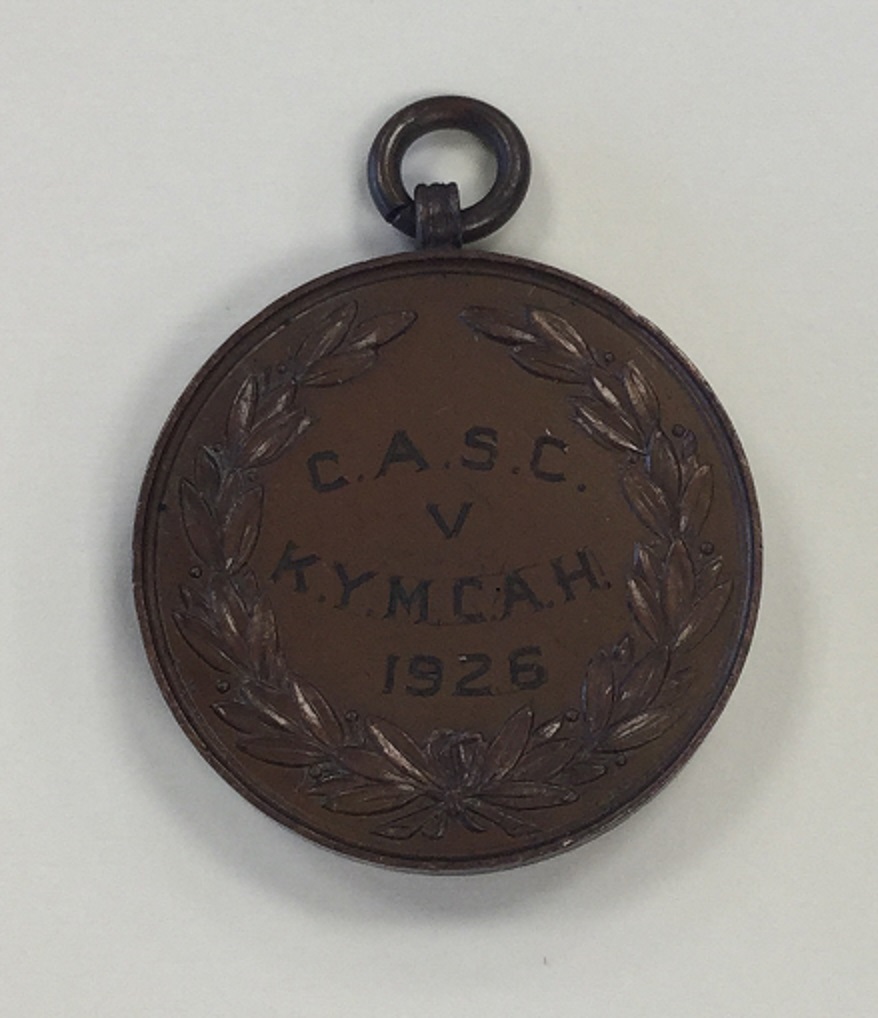
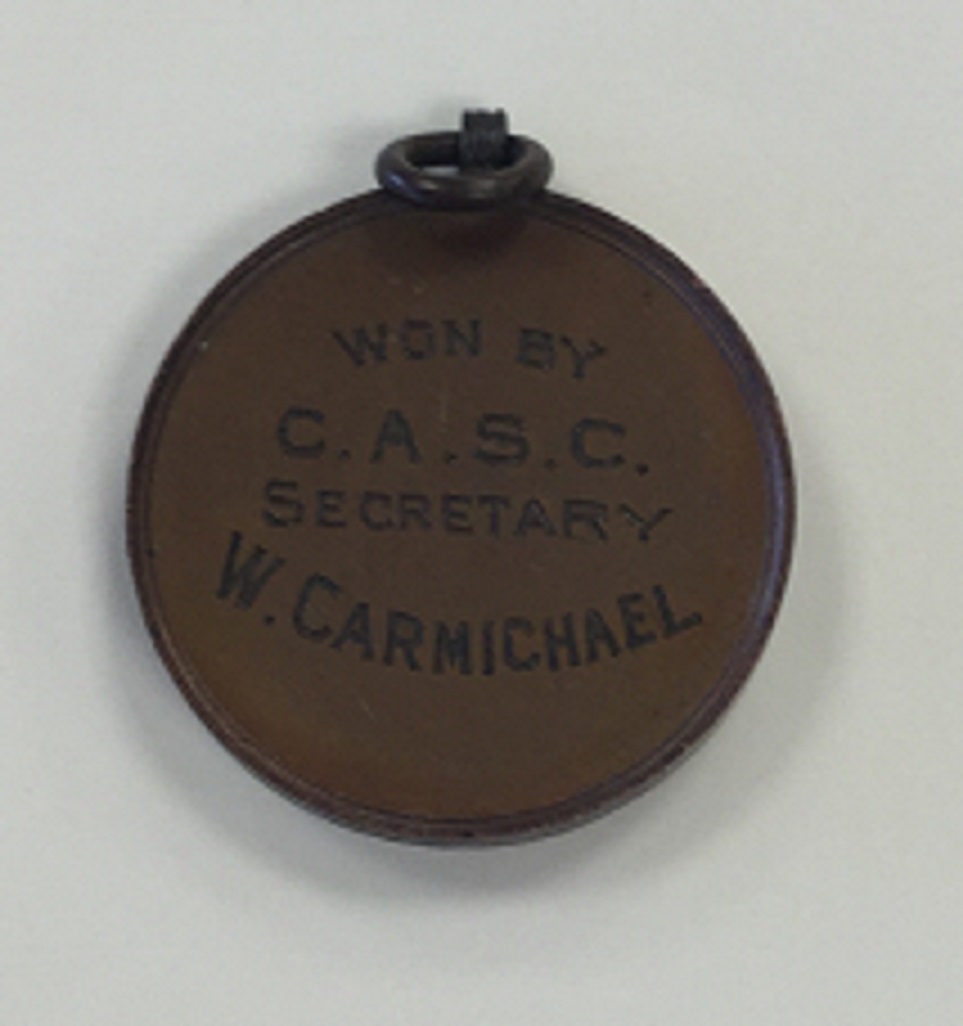
WC CASC 2Medal for winning the Canon ASC v Kirkcaldy YMCA 2 Miles.

After the War Willie is better known for his work in track and field athletics.   He remained on the East District and SAAA Committees and hard as he worked there, he still found time to serve the sport in a multitude of ways.   For instance in August 1947 it was decided to publicise the ‘Enterprise Scotland Exhibition’ by organising an Edinburgh to London Relay.   There were 26 runners involved and it was a mammoth undertaking – the logistics of providing transport, food, lodgings, etc were difficult enough but there were the added complications of ‘glad handing’ local dignitaries in every town and city they passed through and feeding information and publicity to the Press.   The team manager was Willie Carmichael.   He wrote about it in the ‘Scots Athlete’ magazine of October/November 1947 where, although he does not make it sound exceptional, it really was a first class piece of organisation and management.

WC 03 10 004

Edinburgh Eastern Harriers, winners of Heriot Athletic Trophy

‘Braw Lads’ Challenge Shield for Mile Relay Race at Galashiels.Braw Lads Sportr

Willie Carmichael, President

That magazine made a point of covering the top athletics meetings of the day in detail – the Rangers Sports, the Glasgow Police and the Edinburgh Highland Games being the major ones.   In the June 1947 issue,  below the accompanying photograph, it noted:

“William Carmichael (Hon Sec, Eastern District, SAAA) is doing his utmost to make Edinburgh a great centre for amateur athletics.   He is responsible for the big 14th June meeting at New Meadowbank, and Edinburgh Corporation Highland Games on Saturday 19th July at Murrayfield.”   

Willie worked for the Lighting and Cleansing Department and had organised, among other things, the Edinburgh Lighting and Cleansing Department Open Meetings.   When the Edinburgh Highland Games started out in 1947, who better to organise them than Willie Carmichael: I quote from the September, 1949, issue of the Scots Athlete:

A Bouquet for Edinburgh

W Carmichael who was the guiding light in this promotion once again proved his great flair for organising and it was grand to see such a resounding success.   The hard-working Eastern District Secretary has the gift of imagination and believes in doing things on a big scale.   For instance the appearance of Arthur Wint and Fanny Blankers-Koen would alone have drawn the crowd.   But an invitation was also extended to a select  British team of athletes and cyclists; and what a team Jack Crump had with him.     …………..   But at the end of the day in attempting to recapture once more the highlights of the meeting, perhaps the most striking feature of all was the magnificent enthusiasm of the spectators.   The warm sportsmanship of the Edinburgh audience remains a fragrant memory”.

Willie was not just an administrator either although he organised the Edinburgh Games for a total of 31 years.   He was a Grade One Judge for all three disciplines of track, jumps and throws and officiated latterly as referee at meetings big and small.  eg he officiated at the Rangers Sports from at least 1950 to 1962.   In 1948 he worked at the London Olympics as a track judge and as a wrestling judge. He thus officiated as a Judge or official at Scottish open, District, National and International events on the track and over the country.   He also officiated on the Edinburgh to Glasgow eight-man road relay.   As a reward for his work with the SAAA he was elected President in 1953.

WC 03 10 002

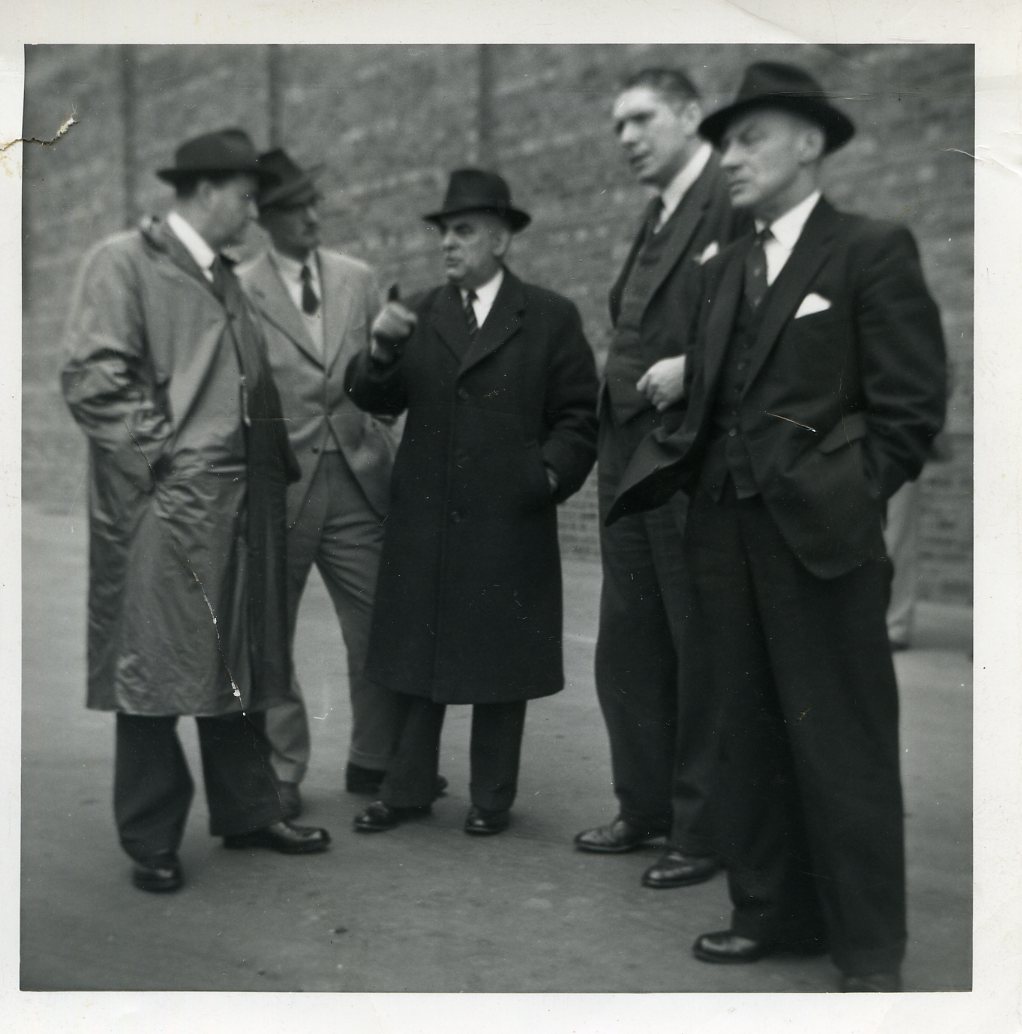
Mr Carmichael centre with Local Authority officials from the North of England

Not only was the man active on the Scottish stage, in 1952 he was a Scottish representative on the British Amateur Athletic Board – this was a three year appointment and it coincided ith his election as President of the SAAA.

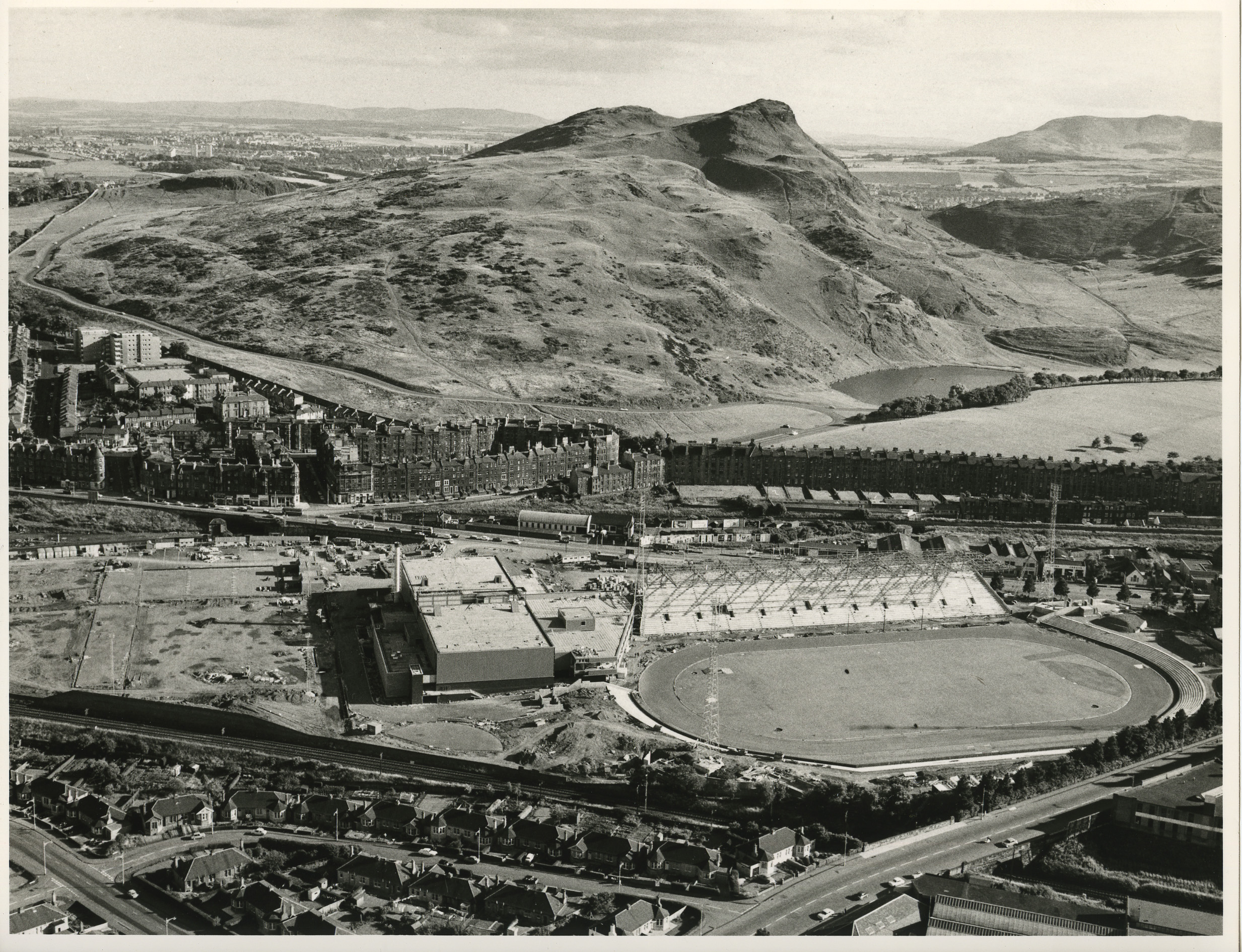
So far Willie had had a good career in athletics, but the best was yet to come for Scottish athletics from Willie Carmichael.    SAAA triple jump champion Graham MacDonald recalls that as a young competitor in the 1960’s, ” I remember Willie when he was competing in the East District Championships at what was then called New Meadowbank.   That was the track constructed next to the Meadowbank Speedway Track used by Edinburgh Monarchs.   All gone of course when the Commonwealth Games stadium was built for the 1970 Games.   I didn’t know who he was but he looked very dapper and important in his Blue Blazer with a Commonwealth Games badge and wearing a soft hat. Later I realised who he was and at one meeting I overheard him saying to another official ‘we can do it you know’.   I guess he was referring to the 1970 Games and I think that he was a driving force if not the main driving force behind Edinburgh’s bid.” 
At that time Willie had been Chairman of the the Commonwealth Games Council for Scotland from 1950 to 1955 and followed that with Secretary of the Council.   He would hold that post from 1956 to 1979.   Willie was General Team Manager for the Vancouver Games in 1954 when Joe McGhee won the dramatic marathon and Bannister defeated Landy in the Mile.   There is a little-known story of delay of the return home flight while repairs were carried out to an engine and Willie took the whole team to the pictures.   ‘Three Coins in the Fountain’ was the film.   would probably inspire many and probably sharpened Willie’s desire to have the Games in Scotland.  The ‘hard-working East District secretary with a gift of imagination’ and who ‘believes in doing things on a large scale‘, as Emmet Farrell had it in 1947 was about to tackle his biggest task yet.

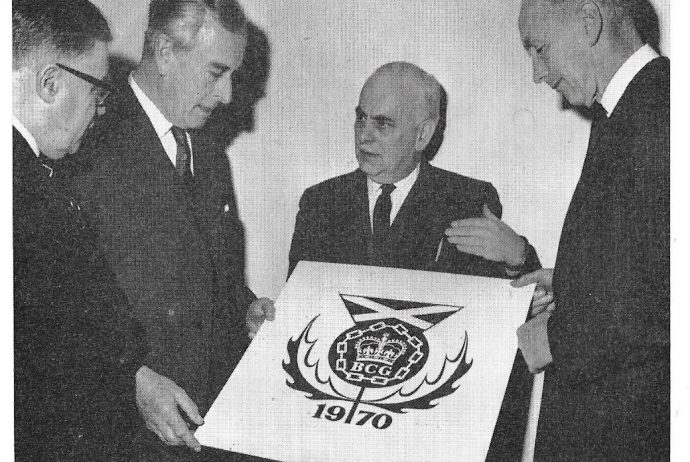
Willie plus three0003

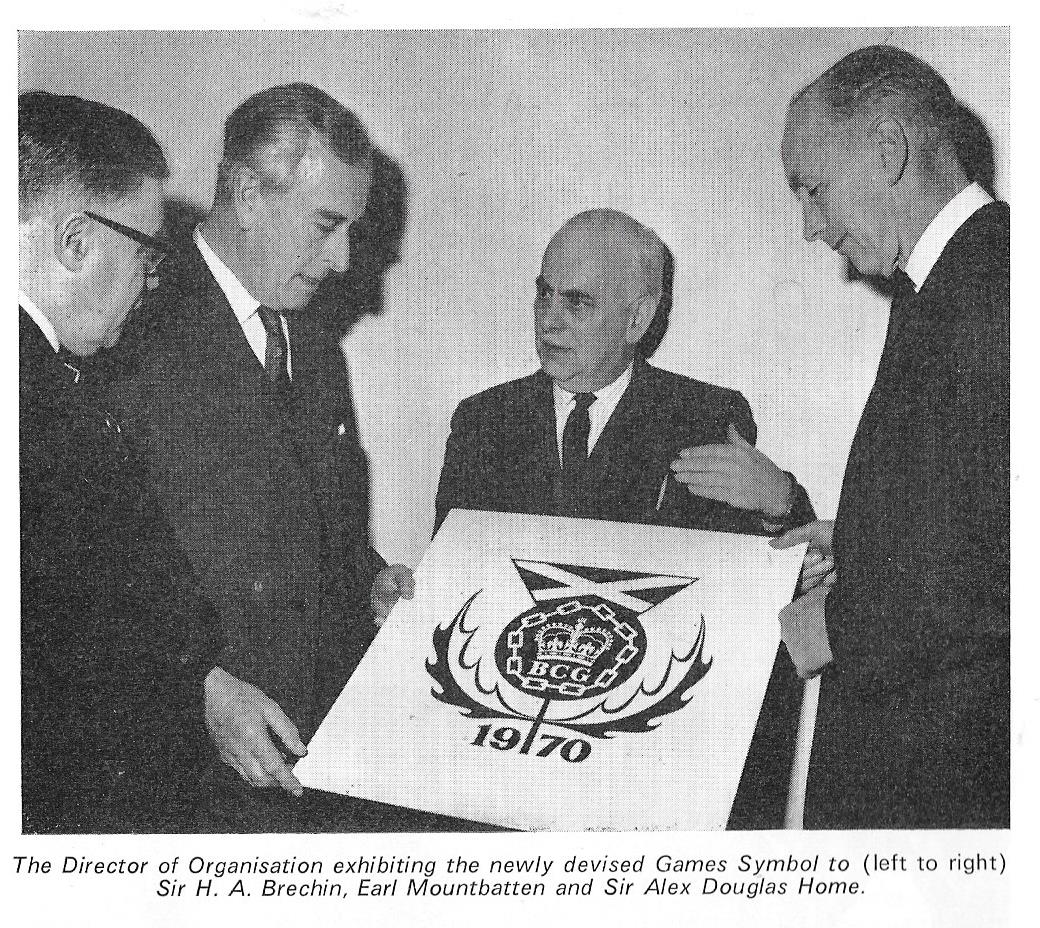
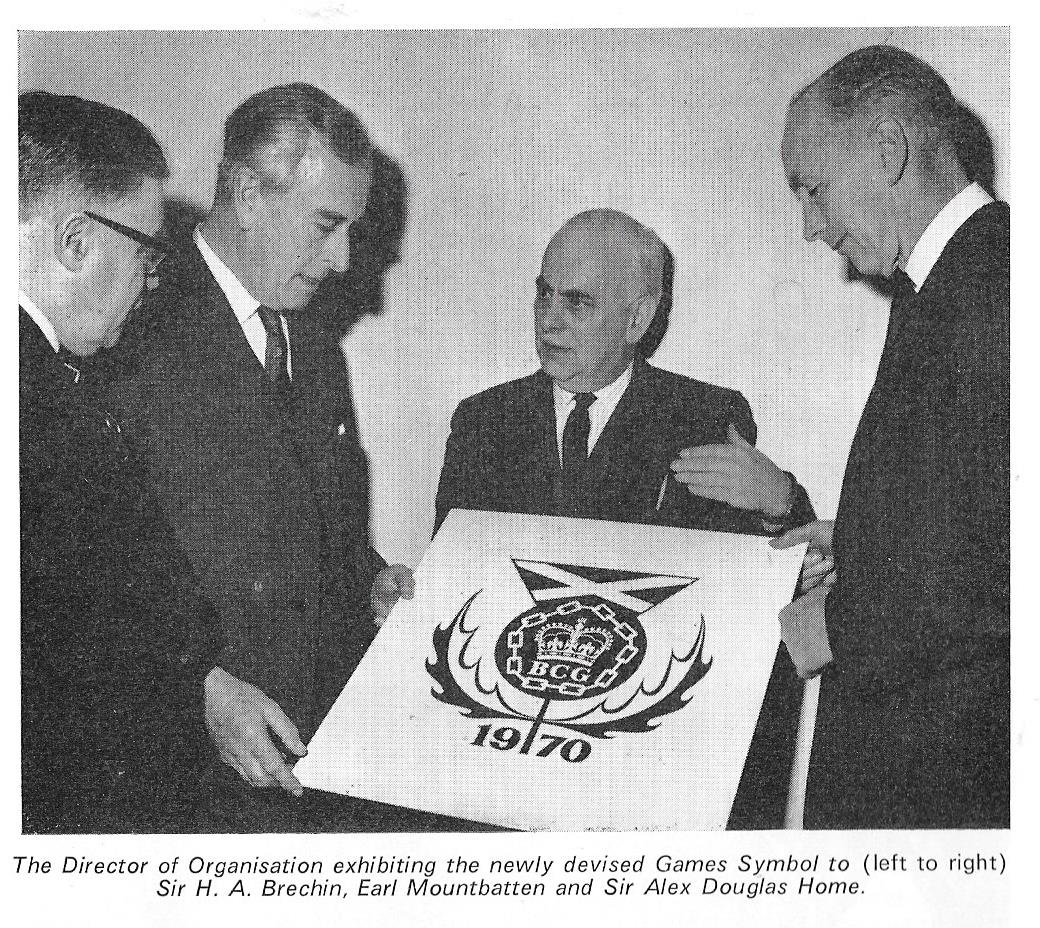
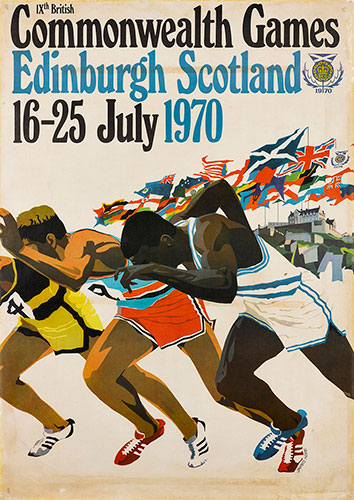
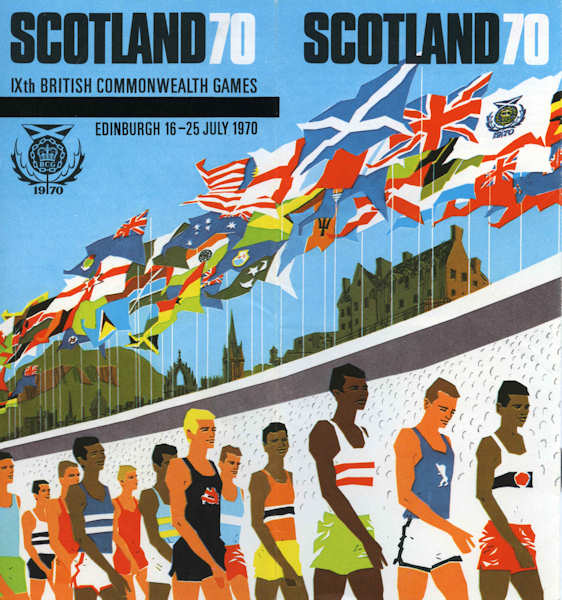
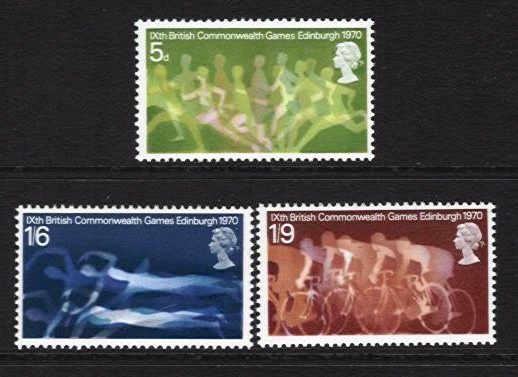
The Commonwealth Games in 1970 was an undertaking the likes of which had never been seen in Scotland before: there had been two Olympic Games held in London in times of genuine austerity when Britain took on the Games at short notice, and the Empire Games had been held in London in 1934 and Cardiff in 1958, but they had never been held in Scotland.    Willie and Lord Provost Herbert Brechin fought hard to get the Games to Edinburgh.   It was not just one bid that they tendered.   I quote from the ‘Official History of the IXth British Commonwealth Games’:

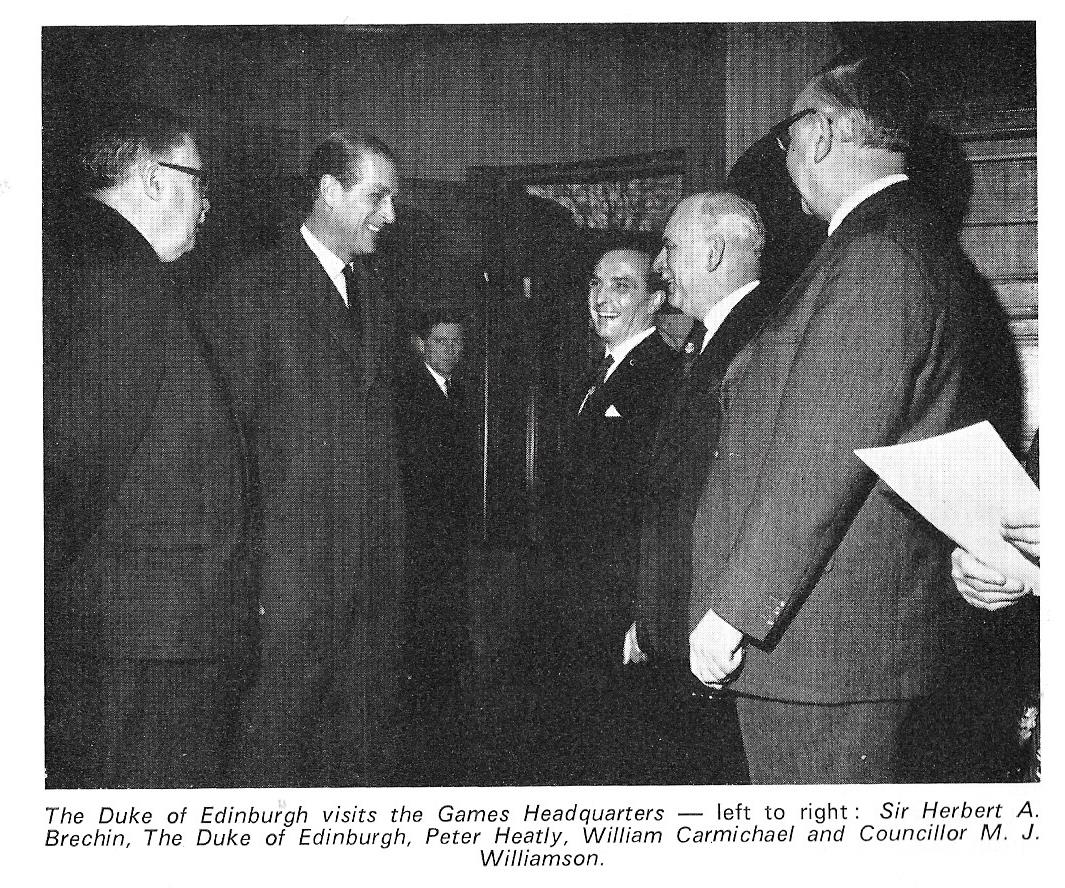
“Scotland’s wish to be considered as a host country was presented to the British Commonwealth Games Federation in General Assembly at Melbourne in 1956, at Cardiff in 1958, at Rome in 1960, Perth, Australia, in 1962 (when Scotland was defeated in its quest by Jamaica by a vote of 17 to 16), at Tokyo in 1964, and eventually, successfully, by 18 votes to 11, over New Zealand at Jamaica in 1966, for the 1970 or IXth Games.   There the case for Scotland was presented by the Rt Hon Sir Herbert Brechin, then Lord Provost of Edinburgh, and Mr W Carmichael Honorary Secretary of the British Commonwealth Games Council for Scotland, and supported by Councillor Magnus J Williamson (Edinburgh Corporation), and Messrs P Heatly, GA Hunter and DM Wright (Council for Scotland).”

Statisticians Colin Shields and Arnold Black say in their book

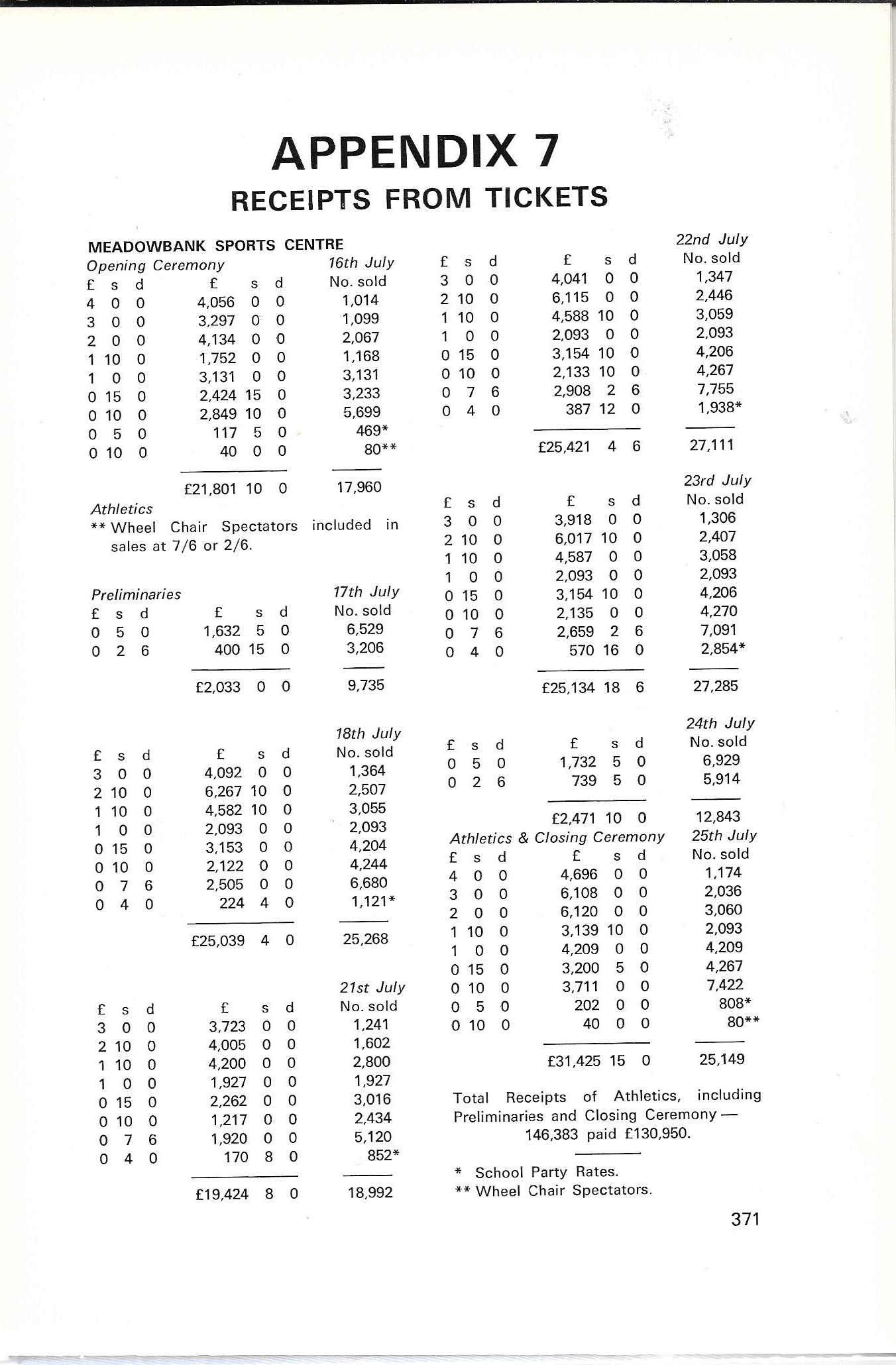
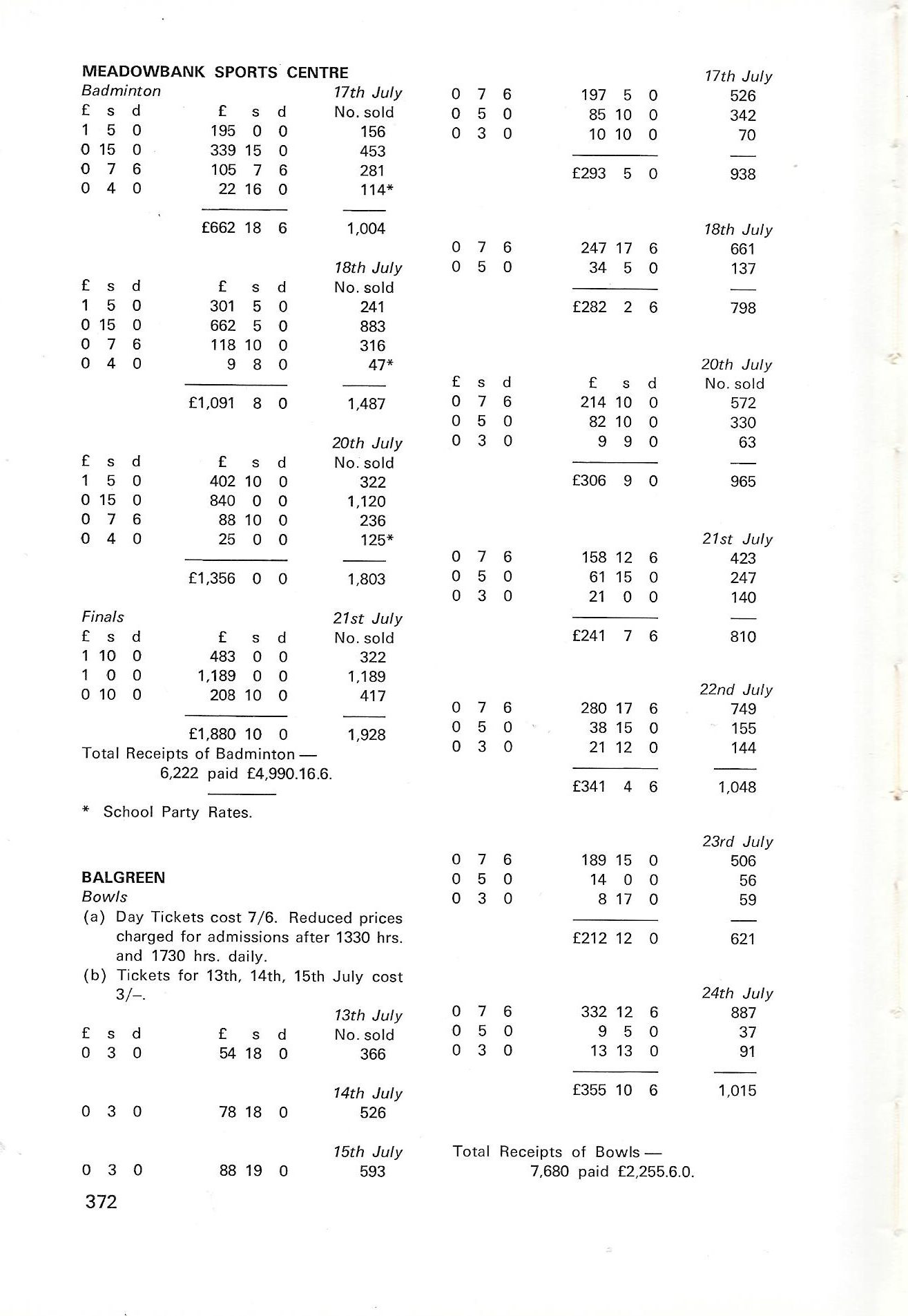
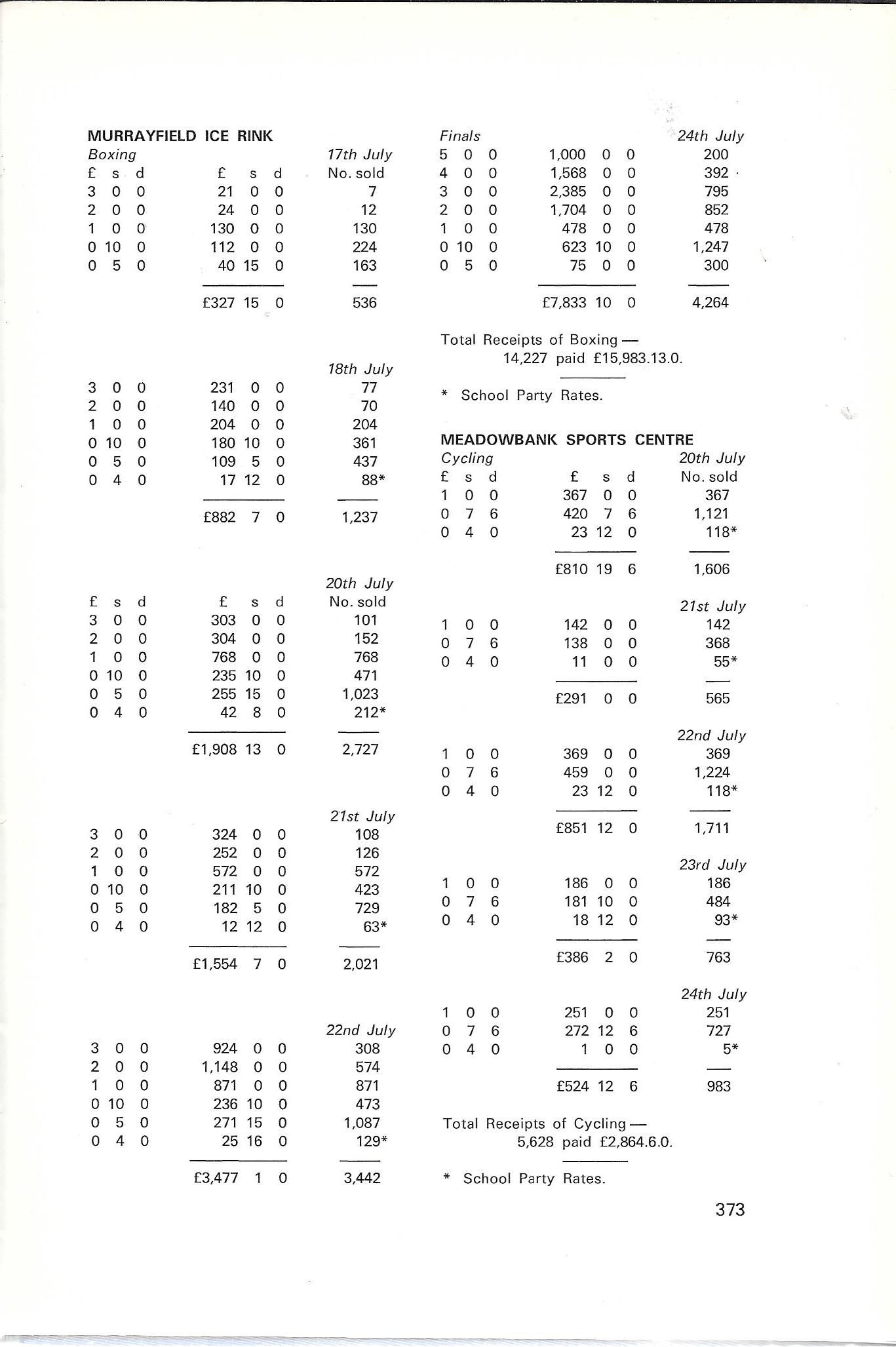
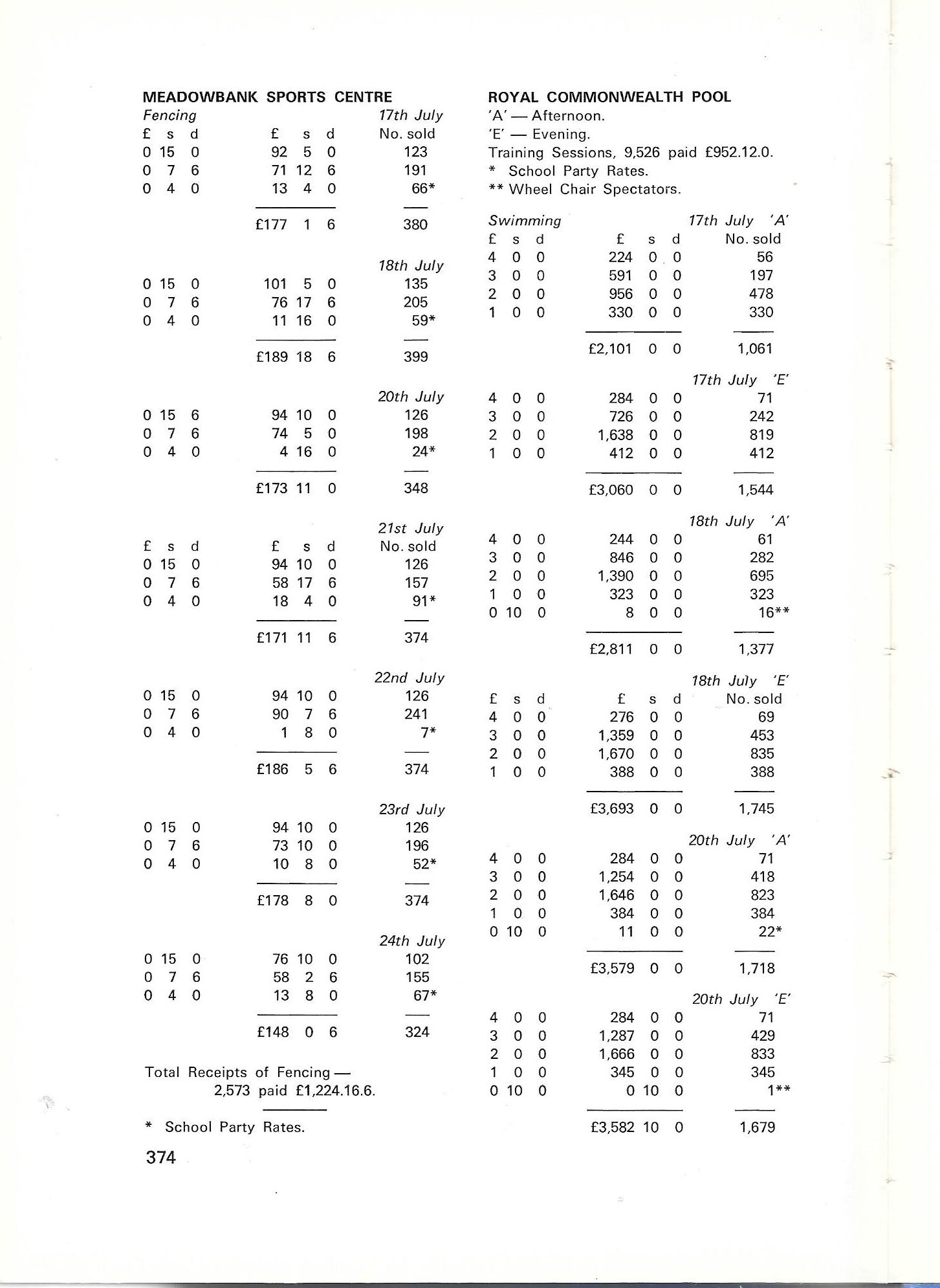
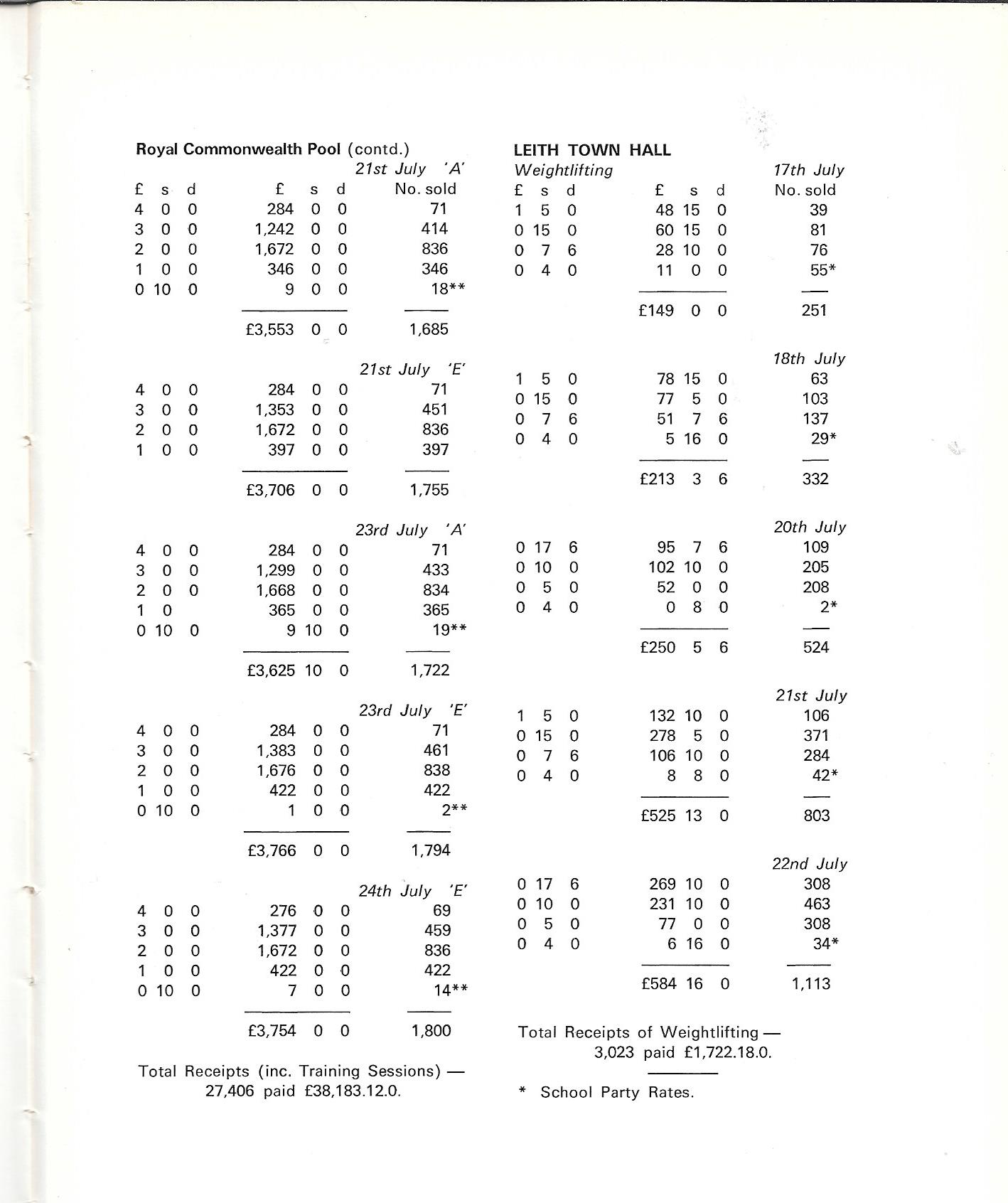
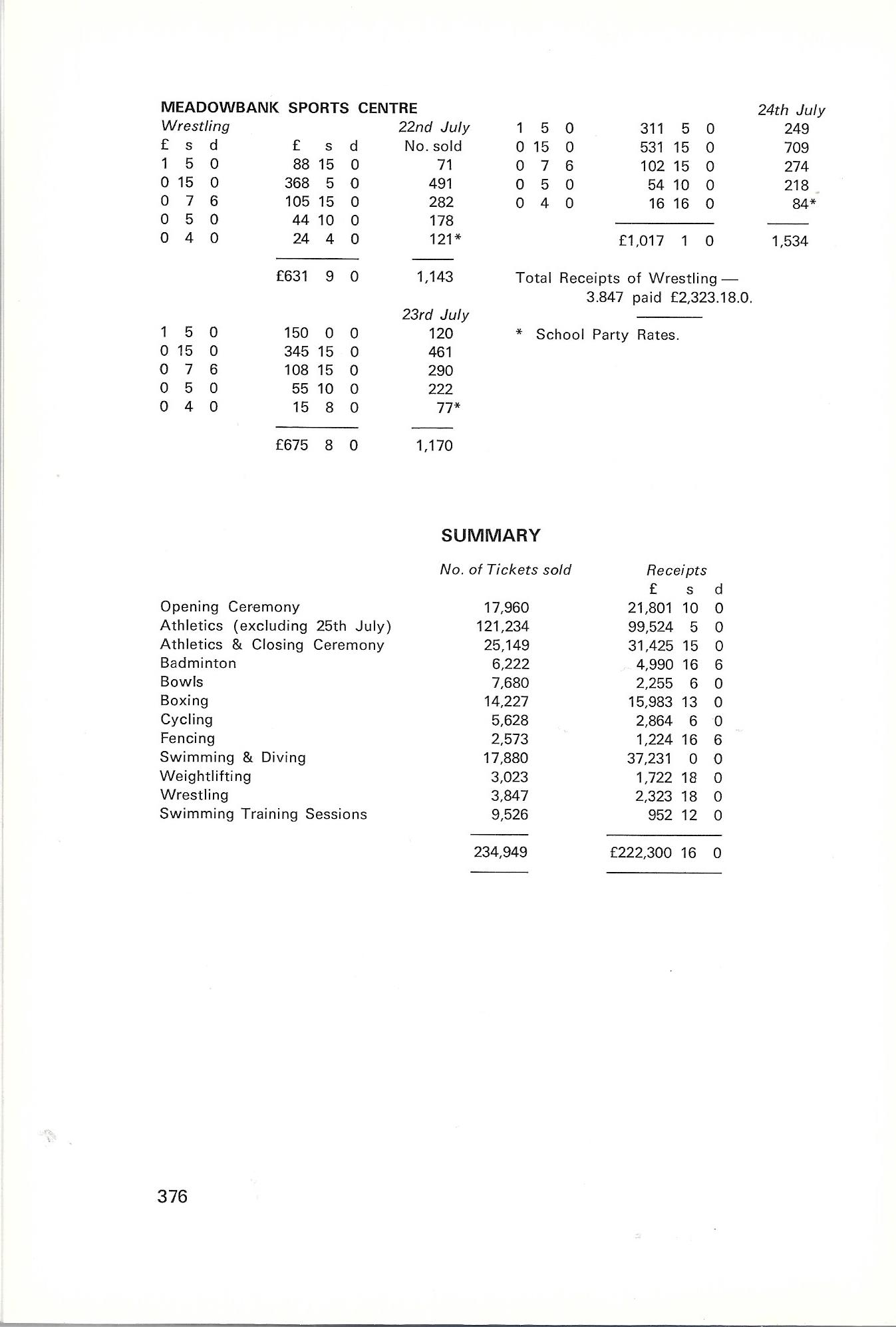
“This was not at all just some happy accident. Nothing was left to chance. The meticulous planning began even before Edinburgh beat Christchurch for the right to host the Games at a vote at the Tokyo Olympics in 1964, and the man responsible for so much of it was Edinburgh citizen Willie Carmichael. “More than any other single person, Carmichael brought the Games to Edinburgh,” Colin Shields and Arnold Black write in The Past Is A Foreign Country. “He was Scotland’s wrestling team manager at the inaugural Games at Hamilton in 1930 and had always had the guiding dream of bringing the Games to his native city. “Carmichael not only brought the Games to Edinburgh but organised them as well, acting as full-time director of operations. On a budget of £670,000, he produced the most thrilling and successful sporting extravaganza that Scotland had ever seen. His undoubted talent for organisation and stylish presentation resulted in the Games being judged an overwhelming success both in organisational and sporting terms. “It was by far the largest Games ever held, with 1,383 competitors and 361 officials from the record 42 countries taking part. Meadowbank Stadium, the host for the athletics events, had been constructed especially for the Games at a cost of £2.4 million, including a government grant of £750,000.”

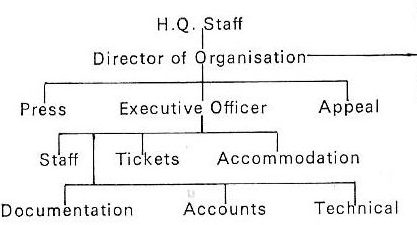
Having learned something at all of these meetings and venues, the bid was sharper every time and by 1966 they must have had known exactly what was required.  The voting had been 18 votes for Scotland against 11 for Christchurch, New Zealand.  They now had the Games for Scotland.   In December 1967 the Appeal Fund was set up with the aim of raising £200,00 towards the costs of organising the Games.  Who better to oversee this mammoth task of previously unseen dimensions with the certainty of unexpected problems than Willie Carmichael.     The first task was to set up the overall organising structure and it appeared like this:

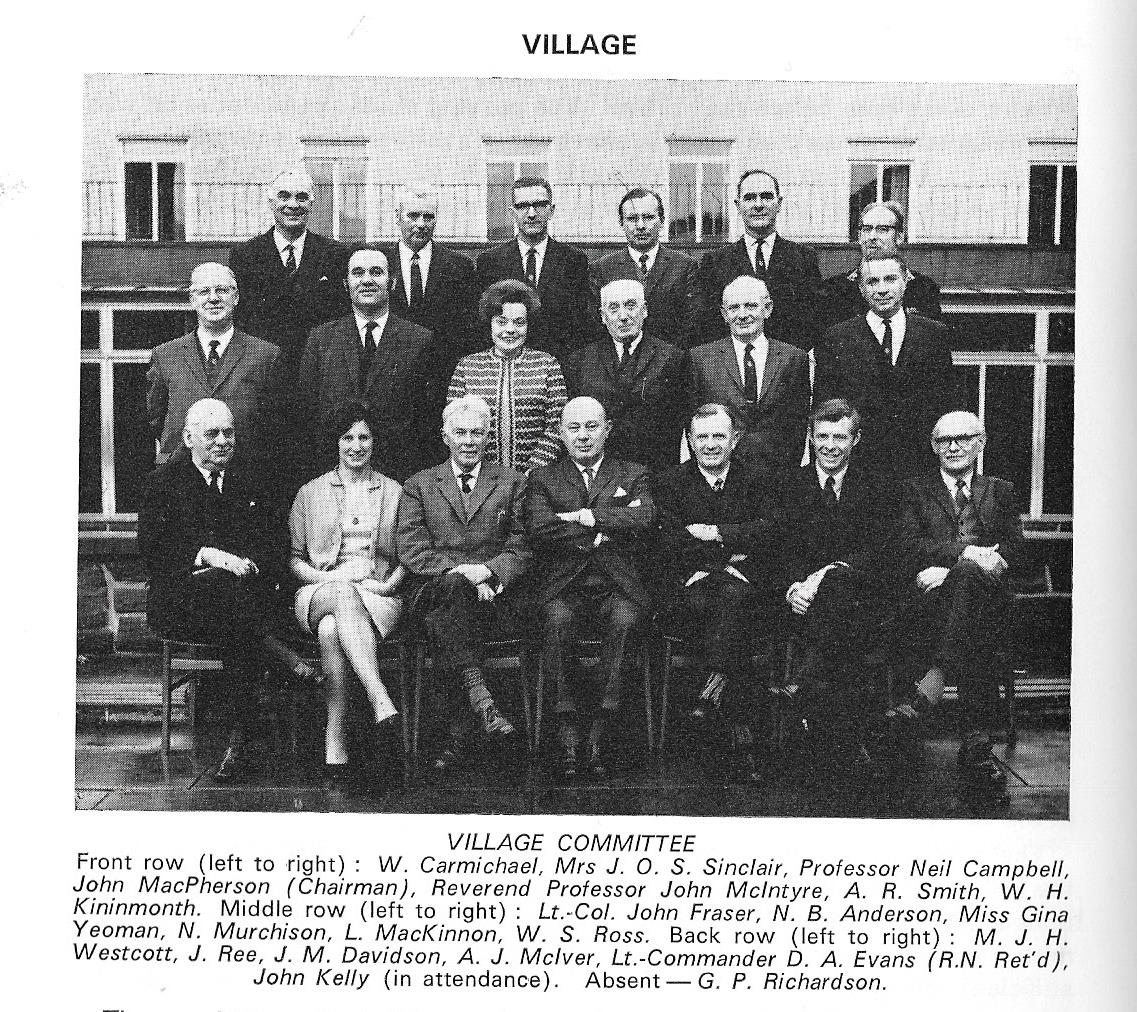
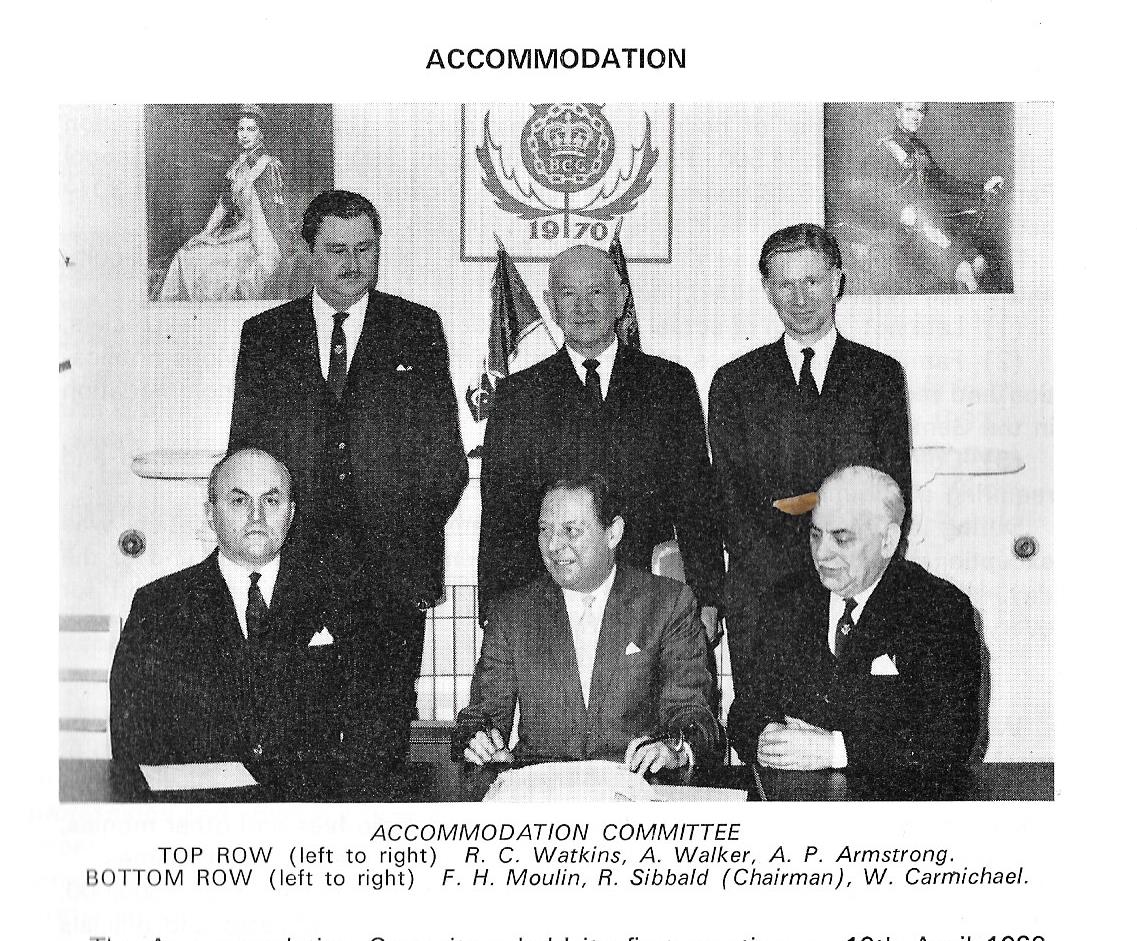
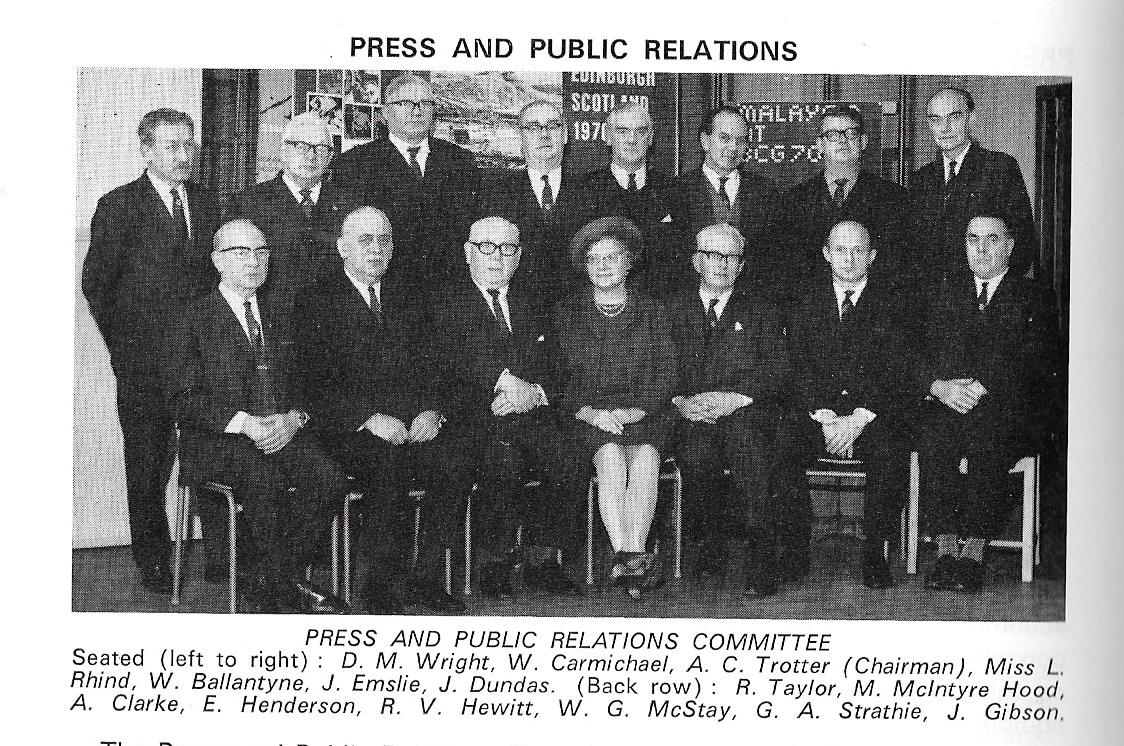
Willie was the Director of Organisation.   Oversight of everything, ex-officio on every committee and committees were set up to deal with Accommodation, Appeals, Catering, Ceremoinial, Queen’s Relay, Communications, Finance, Legal and Concessions, Main Stadium, Medical, Pool, Press and Public Relations, Sports Technical, Tickets, Traffic, Transport, Village, VIP Hospitality and Welcome.   19 sub-committees in all.   All had to be staffed, all had to be accountable and all had the responsibility of ensuring that Scotland was portrayed  in a good light.   All of Scotland’s sports clubs were involved, all interested in sport were involved and every local authority in the land was involved to a greater or lesser degree.   It was a massive undertaking.   Ultimately though, Willie Carmichael was at the heart of the whole structure.

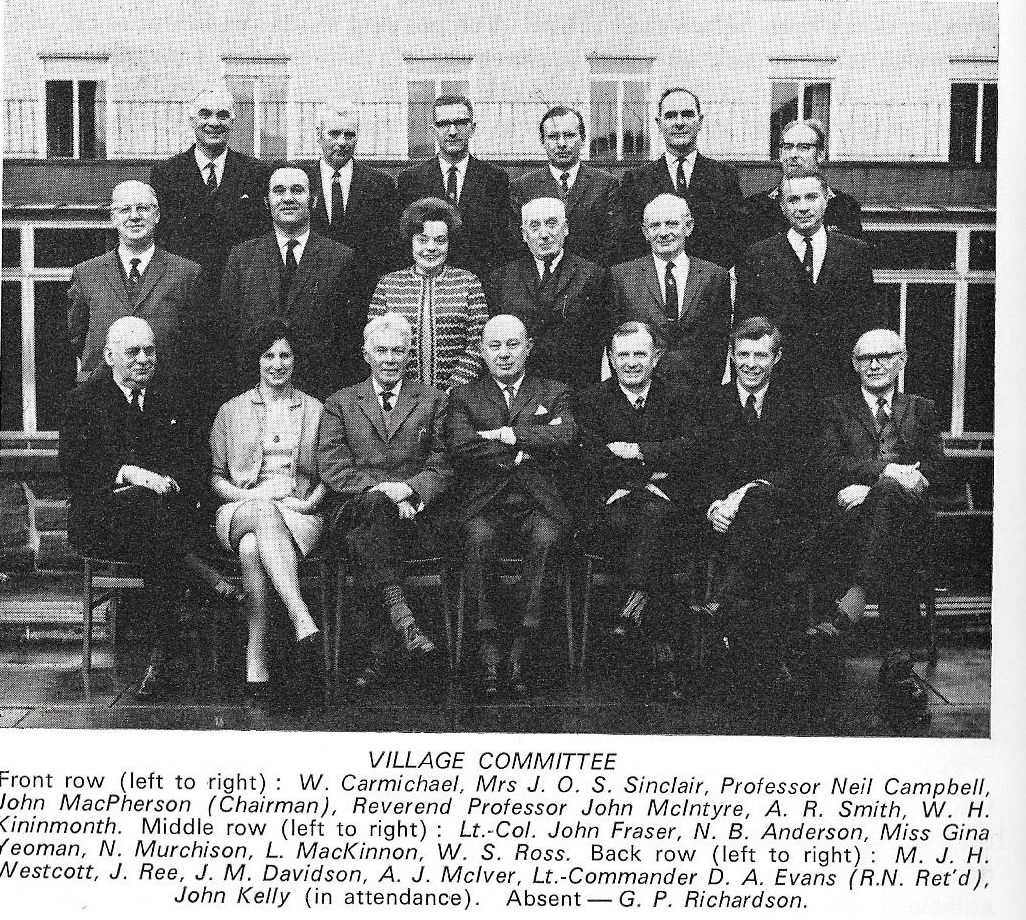
The Village Committee below was only one of those set up to oversee the various aspects of organisation.

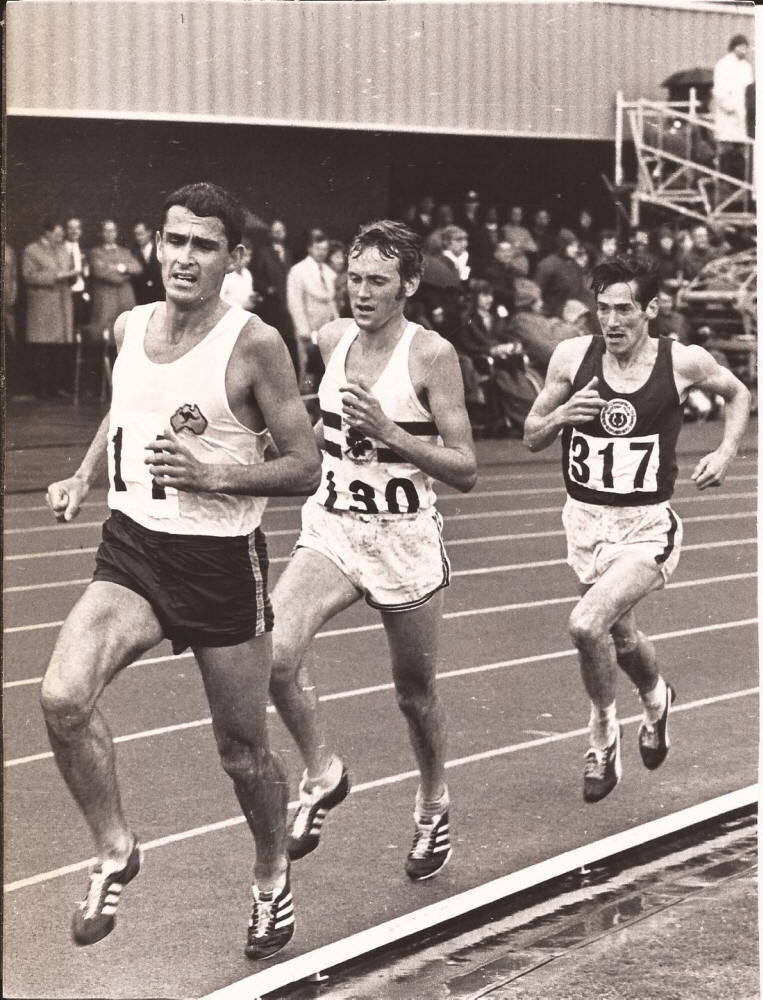
The success of these Games is legendary – from Lachie Stewart winning the 10000m in the rain from Australia’s Ron Clarke on opening night right the way through to Ian Stewart and Rosemary Stirling on the last day of athletics it was a triumph and the competitors from all over the Commonwealth reflected the exuberance of the Scottish hosts.   The same tale could be told from all sports – cycling, weight lifting, wrestling, etc all had their moment in the sunshine.

They had been the biggest Games with 42 countries taking part, and they were the first Games to be called the Commonwealth Games.   Scotland was fourth on the medal table behind the big countries of Australia, England and Canada.

1970 was run by sports people for sports people and captured the imagination of the whole country, of those interested in sport and those who had never attended a sporting event in their lives.   There is a piece of film at

 https://scotlandonscreen.org.uk/browse-films/007-000-002-473-c

which shows various key moments of the Games.   The description from Scotland on Screen says:    “This film features amateur footage from the IXth Commonwealth Games held in Edinburgh in 1970. In the film we see a number of key events from the ceremony, opening with pipe bands marching in front of crowds at the stadium, and the arrival and reception of Prince Philip. There is then Highland dancing, followed by the march past of the attending Commonwealth nations, before an athlete presents a scroll to Prince Philip and doves are released into the air. Various events follow, including a medal being presented to a female athlete. The first race takes place. Scottish athletes, Ian Stewart and Ian John McCafferty, take silver and gold in the 5000 metres. During the closing ceremony, we see the Queen going around stadium in horse drawn carriage before the lyrics of Auld Lang Syne are shown on the scoreboard.”

For those who wish a detailed look at the Games in print, there is a good paper under the title  ‘A Spectacular Tableau’ at

https://aspectaculartableau.wordpress.com/2017/02/09/the-edinburgh-1970-british-commonwealth-games-representations-of-identities-nationalism-and-politics/  .

It is an academic publication, includes some gentle criticism and is worth at least a look.

Lachie 70 4

Lachie Stewart (317) tracks Clarke and Taylor in the 10000m

For his part in the winning and organisation of the Games, Willie Carmichael was deservedly awarded the Order of the British Empire (OBE) in 1971 with the citation saying simply  ‘Director of Organisation, 1970 Commonwealth Games.’     Commandant of the Scottish team at the Games in New Zealand in 1974, he oversaw a very successful team performance that had clearly fed off the superb 1970 teams.   The team was just ovcer 60 strong and Carmichael announced at a dinner in October 1970 that it would be at a cost of £40,000.    In twenty first century terms of medals per pound sterling, it was one of the most successful ever!

Officials and administrators for the 1974 Games team

He was also in action in 1978 – his last Commonwealth Games as an official – in Edmonton, Canada and afterwards stepped down from the International Committee.   By then he was Honorary Vice-President of the Federation with Prince Philip filling the President’s post.He remained Secretary of the Commonwealth Games Council Scotland until 1979.    His interest in wrestling continued right into the 70’s.

But the Games was undeniably the summit of Willie Carmichael’s career in sport – everything he had done beforehand can be seen as preparation for it.

  • Experience of  managing sports teams at the Empire Games from the very first meeting
  • General Team Manager at the 1954 Empire Games
  • Experience of m ore than one sport at international level
  • Administration of domestic championships
  • Organising big international meetings such as the Edinburgh Highland Games
  • Albeit on a smaller scale, the multi-faceted and complicated logistics of the Glasgow to London Relay

Although the Games of 1970 were the undoubted apogee of his career in sport, he did not do, as many would have and some did, retire at the top of his game.   He stayed with the sport – was he not Secretary of the Commonwealth Games Council for Scotland until 1979?   He officiated at many meetings thereafter simply because his love of sport was part of his character.   Above all he remained involved with Scottish athletics.   At the 1974 Commonwealth Games in New Zealand, he was team commandant, and he was also with the team in 1978 – the year before he stepped down as Council Secretary.
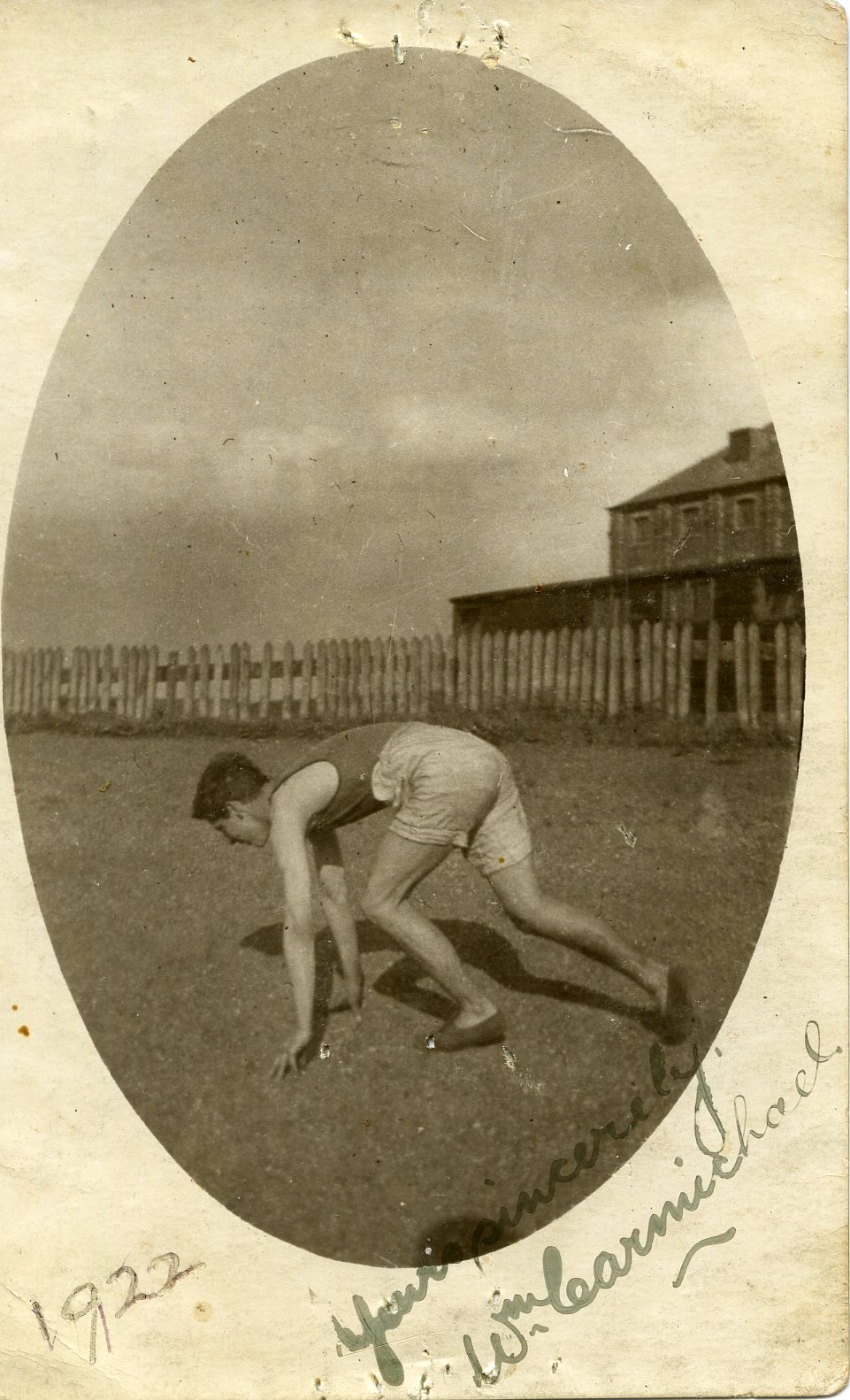
78 Group 1

Publicity shot for 1978 Games in Canada

Scottish athletics were lucky to have had him as one of its more faithful servants.   When I stepped down from the SAAA Committee, Willie Carmichael was an Honorary Life Vice President having been elected as such in 1958.    Even without the 1970 Commonwealth Games he would have had a wonderful career.   The work done before during and after made it a totally unique career in the sport.
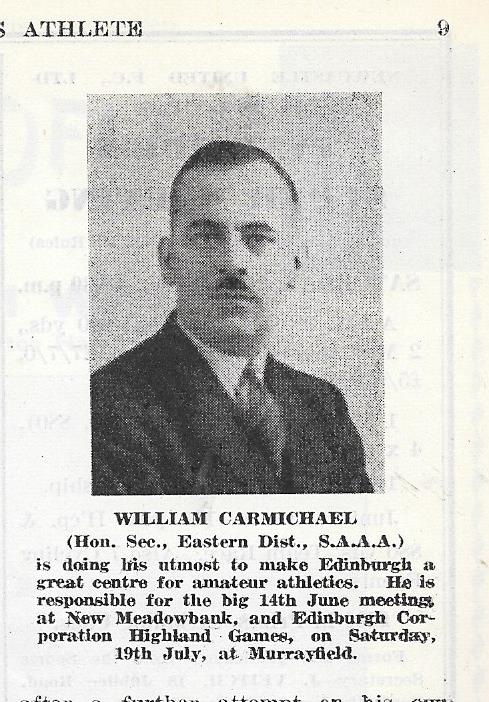
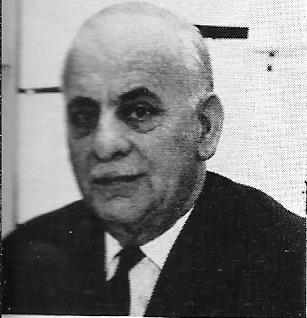
Some links to extra material:   Willie Carmichael’s Commonwealth Gallery : Some photographs from Willie’s career plus several Games pictures

   Extract from the History of the Edinburgh Games, 1970: 1.  Tasks facing the organisers once the Games were won    and

2.   Drawings from the various venues.   As an indicator of the difference between these wonderful Games and thc current bloated affair

Finally, thanks to all those who helped with this task: Alex Jackson and Graham McDonald who helped get it started and Karl Magee and Ian Mackintosh in the Archive Department in the Stirling University Library.   If you are at all interested in the Commonwealth Games of any era, they are a great source of information.   Thanks, folks.

WC Pre group

  Taken at a reception organised by Lothian Regional Council on 22nd August, after the Games which lasted from 3rd to 12th August, – and they’re waiting for a team photo to be taken.   Names so far:

Left in shades John Graham;  Jim Turnbull wrestler standing third left; Chris Black, hammer, back row with beard is talking to Peter Hoffman, runner;

Seated (2nd row):  Drew McMaster, sprinter, left, Allister Hutton, runner, 2nd left; Paul Forbes, runner, 3rd left;

Third row: Jackie Hynd, weightlifter 3rd from right, Brian Burgess, high jumper 2nd from right ; Willie Wood, bowler, in second row on the right.

Ronnie Hurst, diver,bottom far right;

1970 Extracts: 2. Gate Money

Willie Carmichael0004

Among the really big differences between the Games of 1970 and those of the 21st century, is the difference in the money involved.   What I have added here is the money taken at the various venues for the Games.    It was of course possible to buy tickets for particular sports and particular days so that most of those attending were either involved in active participation in the sports or former participants or supporters.   Anyway, below are the pages which deal with ‘takings’ at the various venues.

OHCO Rec 1

OHCO REC 3

OHCO REC 5